Choosing an OEM hair clipper manufacturer is not a catalogue exercise. A buyer needs to know whether a supplier can turn a defined brief into a repeatable product, document the choices made along the way, and surface risks before a purchase order is placed. This checklist is designed for private-label brands, distributors and retail teams comparing possible partners.
1 — Start with a written sourcing brief
Give every shortlisted manufacturer the same baseline: target market, channel, intended user, product family, target quantity, price position, charging preference, packaging language, required approvals and sample deadline. A clear brief makes quotations comparable and exposes where a supplier is assuming rather than confirming. If a requirement is unknown, label it as open rather than allowing it to become an unspoken promise.
2 — Confirm who owns the engineering work
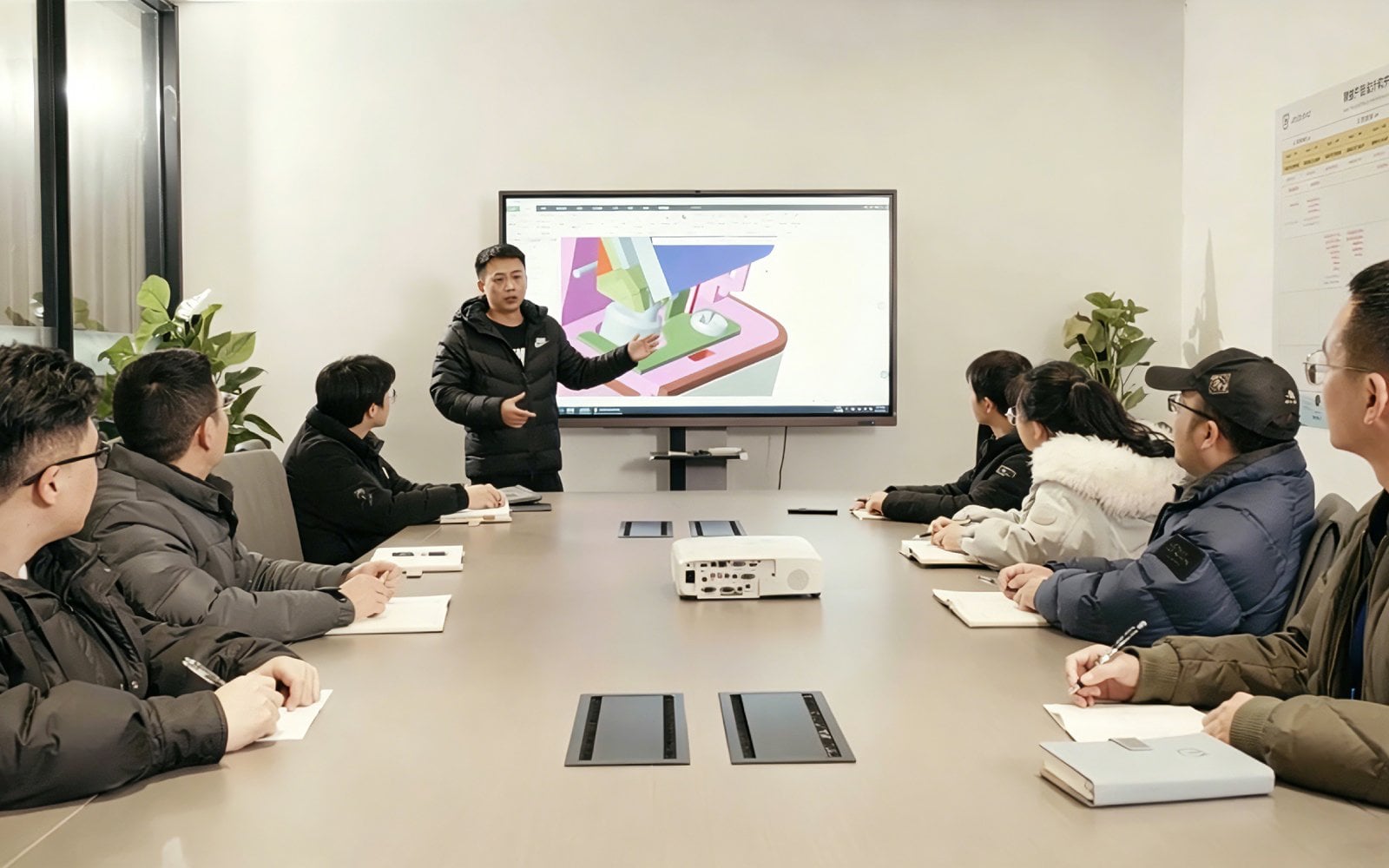
Ask which team owns industrial design, mechanical engineering, electronics, firmware, tooling and sample coordination. The answer matters when the project moves beyond an existing platform. Unibono describes its Ningbo base as the R&D and tooling centre, with Thailand handling production, packing and export; buyers can review the stated setup on the Factory page and Ningbo R&D base. For any project, confirm the responsible people, decision points and revision record in writing.
3 — Evaluate a real product platform
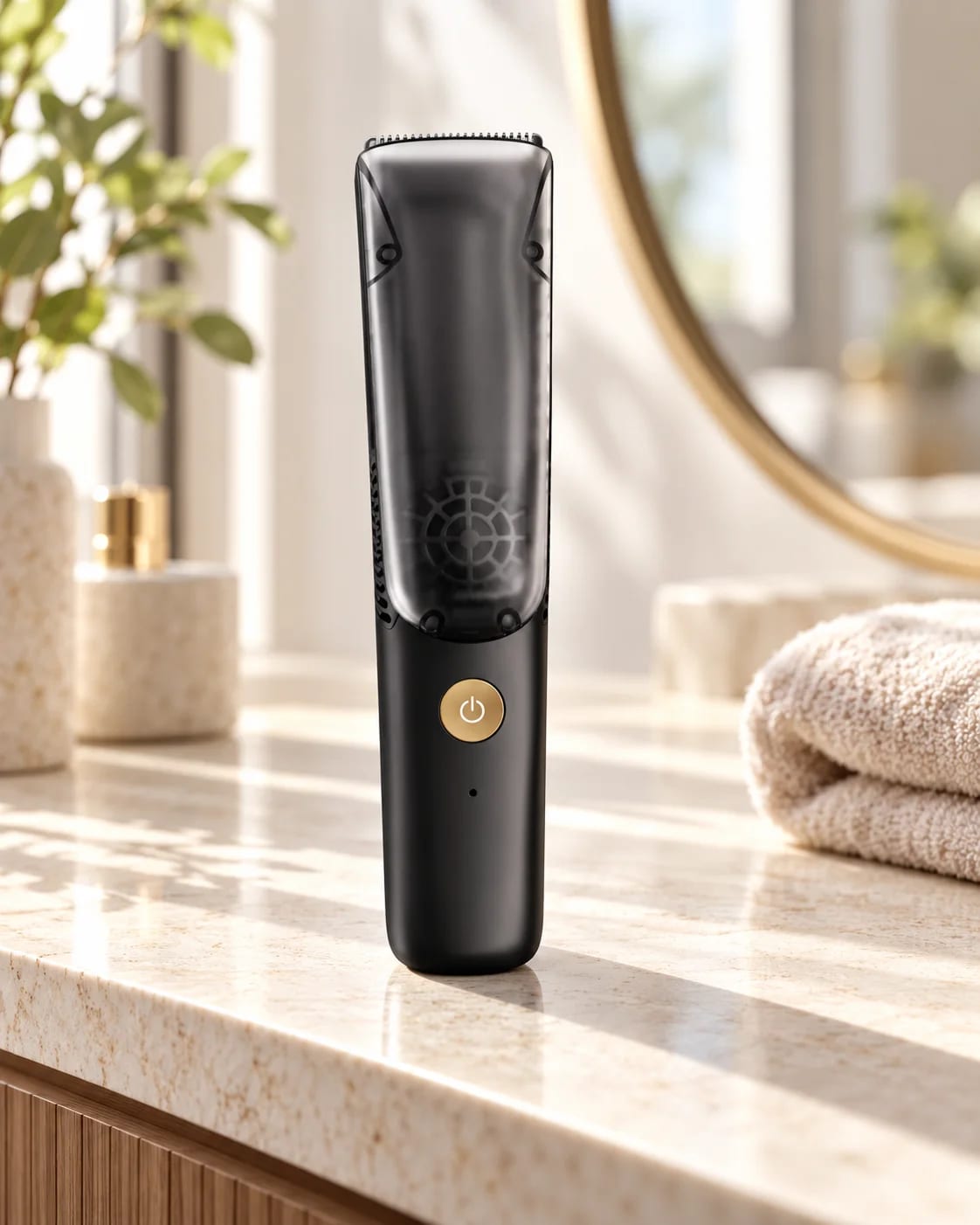
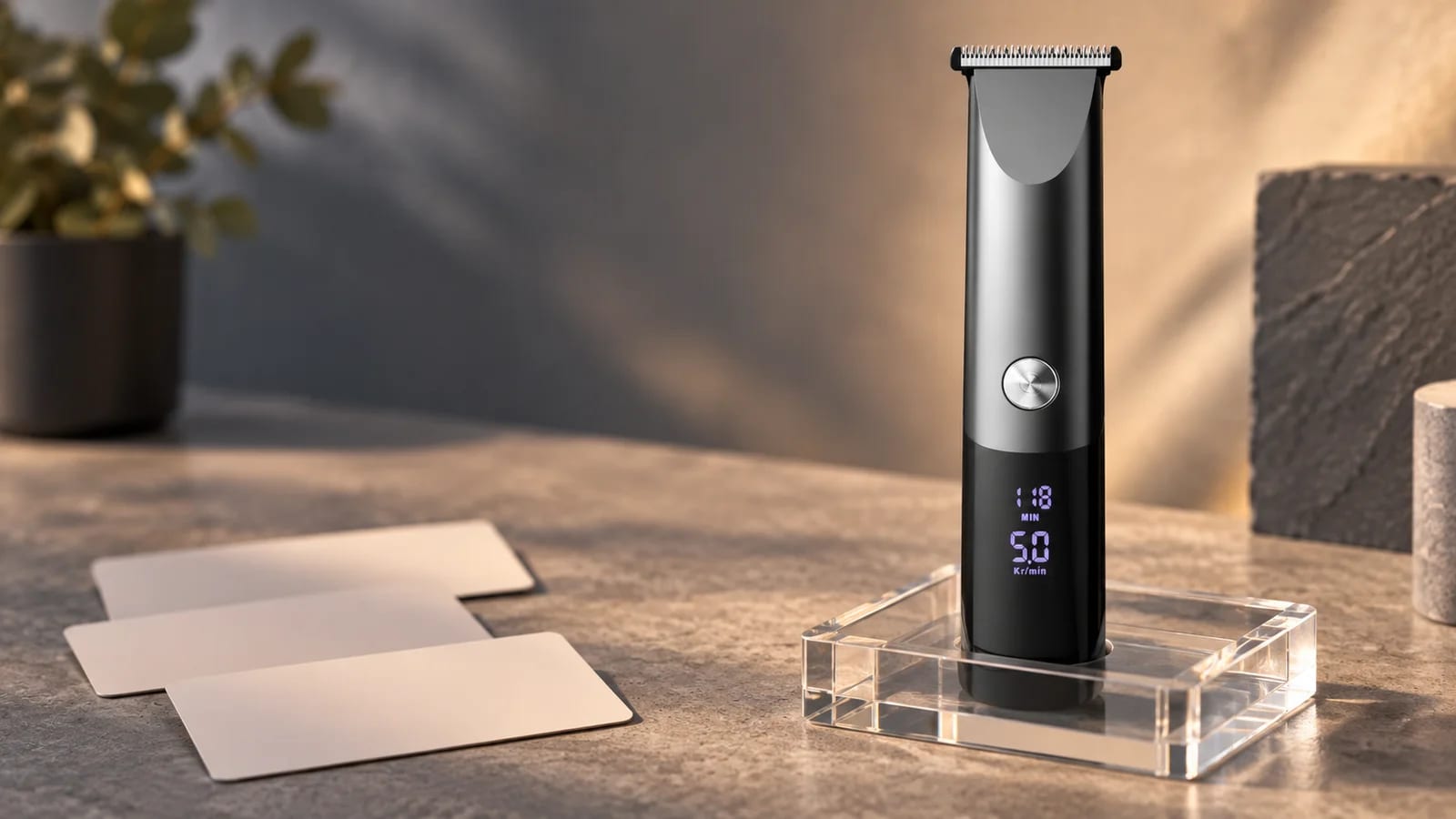
Ask to review the closest current platform, not only a rendering. For a hair clipper, the review should cover the cutting-head concept, comb and accessory set, housing, charging interface, battery type, controls, cleaning approach and packaging. Record what is standard, what is optional and what requires engineering evaluation. Unibono's