A vacuum label is not, by itself, a cleaning instruction. Before a listing says that a collection area opens, empties or can be washed, the wording needs evidence for the selected model. Otherwise, a general product-family term can quietly become a promise about a part that has not been documented.
Start with the exact model record
The public YD-0975 vacuum hair trimmer record identifies a Type-C Vacuum Hair Trimmer IPX7. It lists 0/3/6/9/12 mm blade or head settings, a 0.75 m Type-C cable, oil bottle and cleaning brush. Those details are useful for identifying the record that needs review.
They do not show where a collection area is located, whether it is removable, how it is opened, or which surfaces may be cleaned in a particular way. Treat the visible product record as the starting point for an instruction, not as the missing instruction itself.
Use a publish, hold and request strip
Publish: name the selected model and only the accessories or fields that the approved record actually lists. Keep a product-family label tied to that model.
Hold: any sentence about opening a compartment, releasing collected hair, rinsing a part, removing a filter or using a cleaning tool on a specific surface. A product-level IPX7 field does not answer those component-level questions.
Request: the approved model-specific manual, revision reference, diagrams or photos that show the relevant part, together with the intended cleaning wording and target market. This makes it possible to review the instruction without borrowing behaviour from a similar-looking revision.
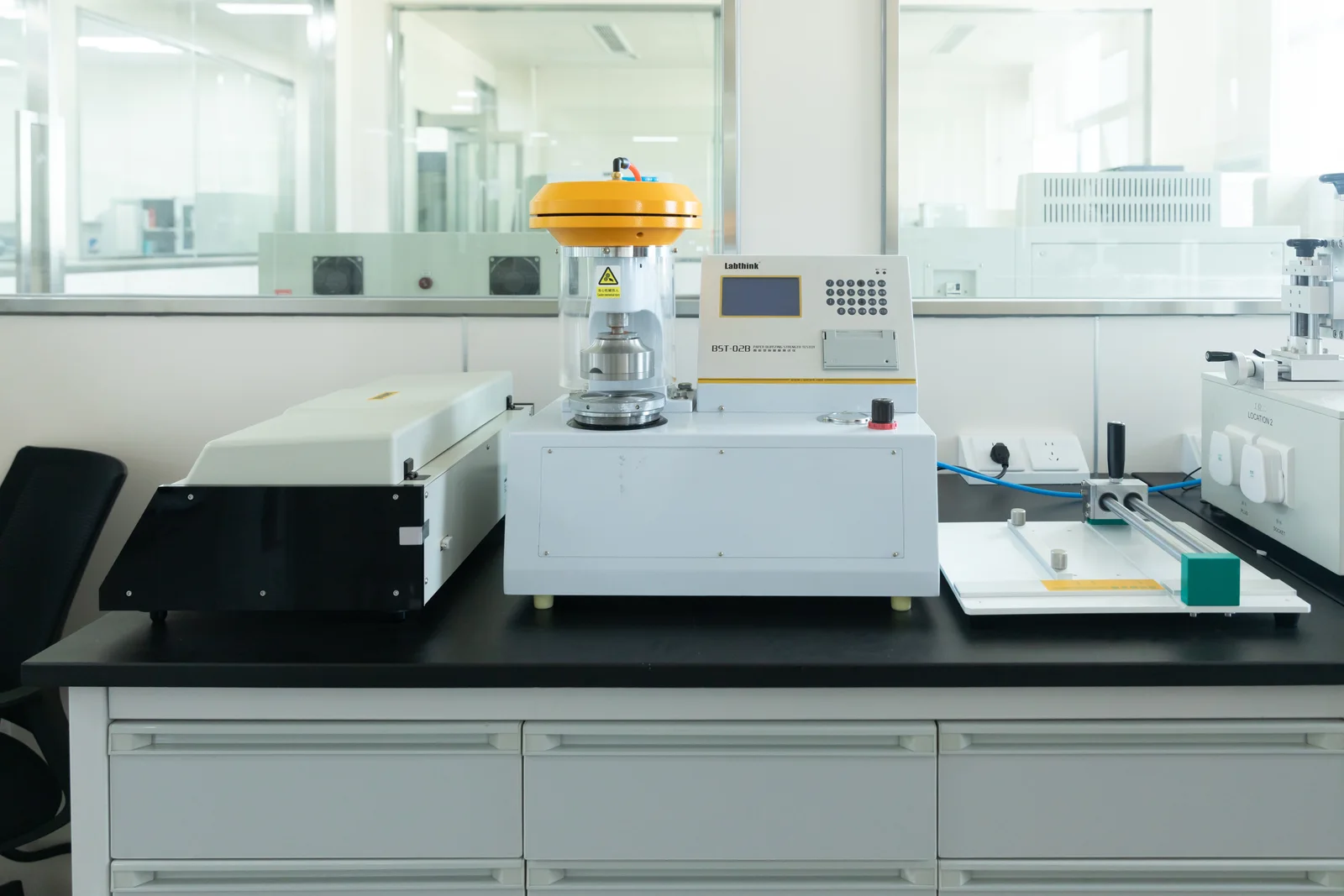
This laboratory view provides general equipment context only. It does not identify YD-0975, demonstrate a cleaning method, or establish a test result.
Keep accessories and cleaning steps on separate lines
An oil bottle and cleaning brush may be listed in a product record, but a list alone does not specify where either item should be used. Put the accessory list in one line of the product record and the approved cleaning sequence in another. If either changes, the two lines can be rechecked independently before packaging, an instruction leaflet or a product page is updated.
This small separation prevents a common documentation error: a cleaning sentence is copied from a neighbouring model because the product family and accessory list look familiar. The selected model, the named part and the approved instruction should stay together.