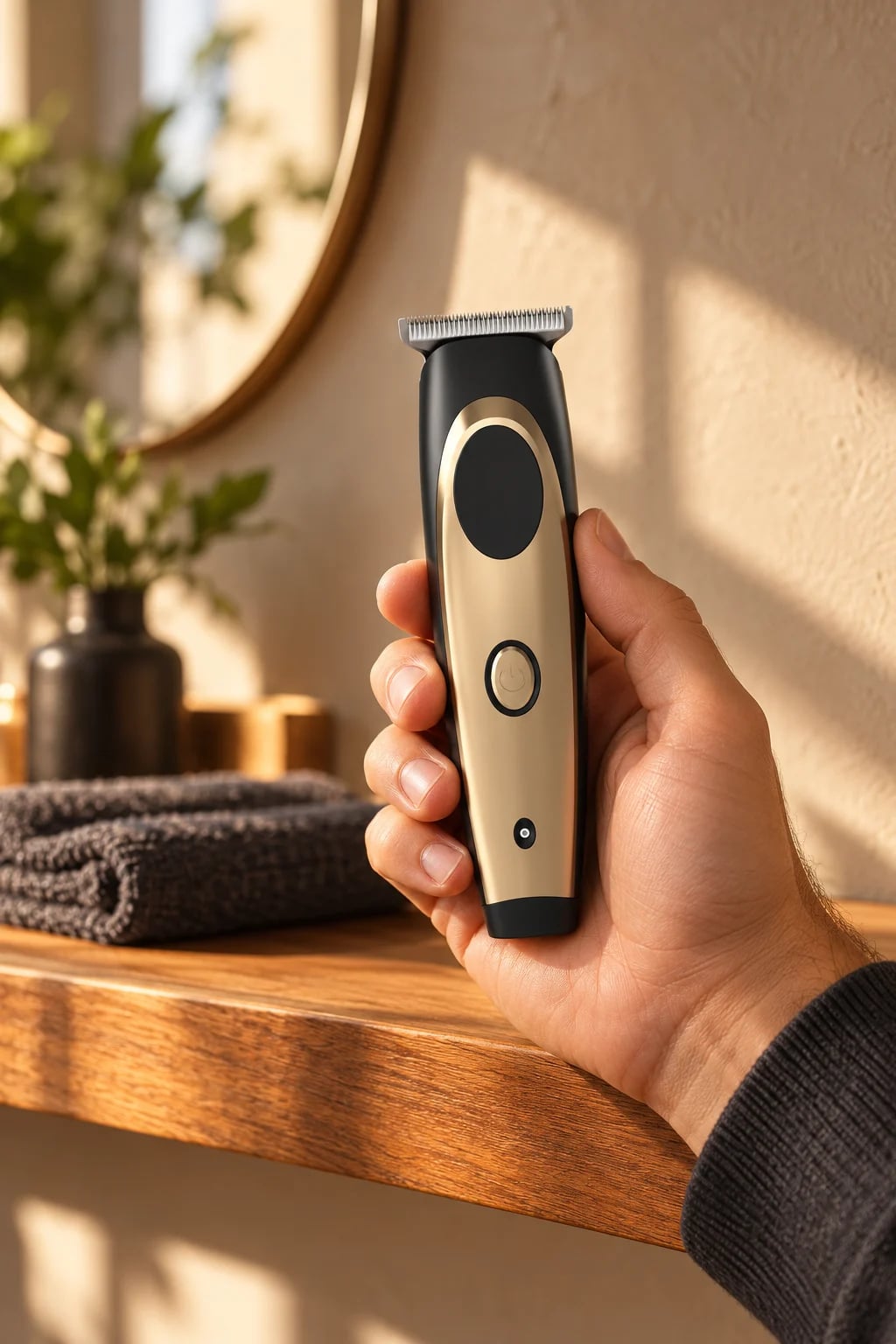
A comb list can look complete long before a sample brief is complete. Four markings may be visible in a catalogue, yet the project still needs one place that connects the selected trimmer, the labelled combs, the sample and the wording proposed for a market. Without that record, a similar-looking comb can quietly become an untested promise about a different product.
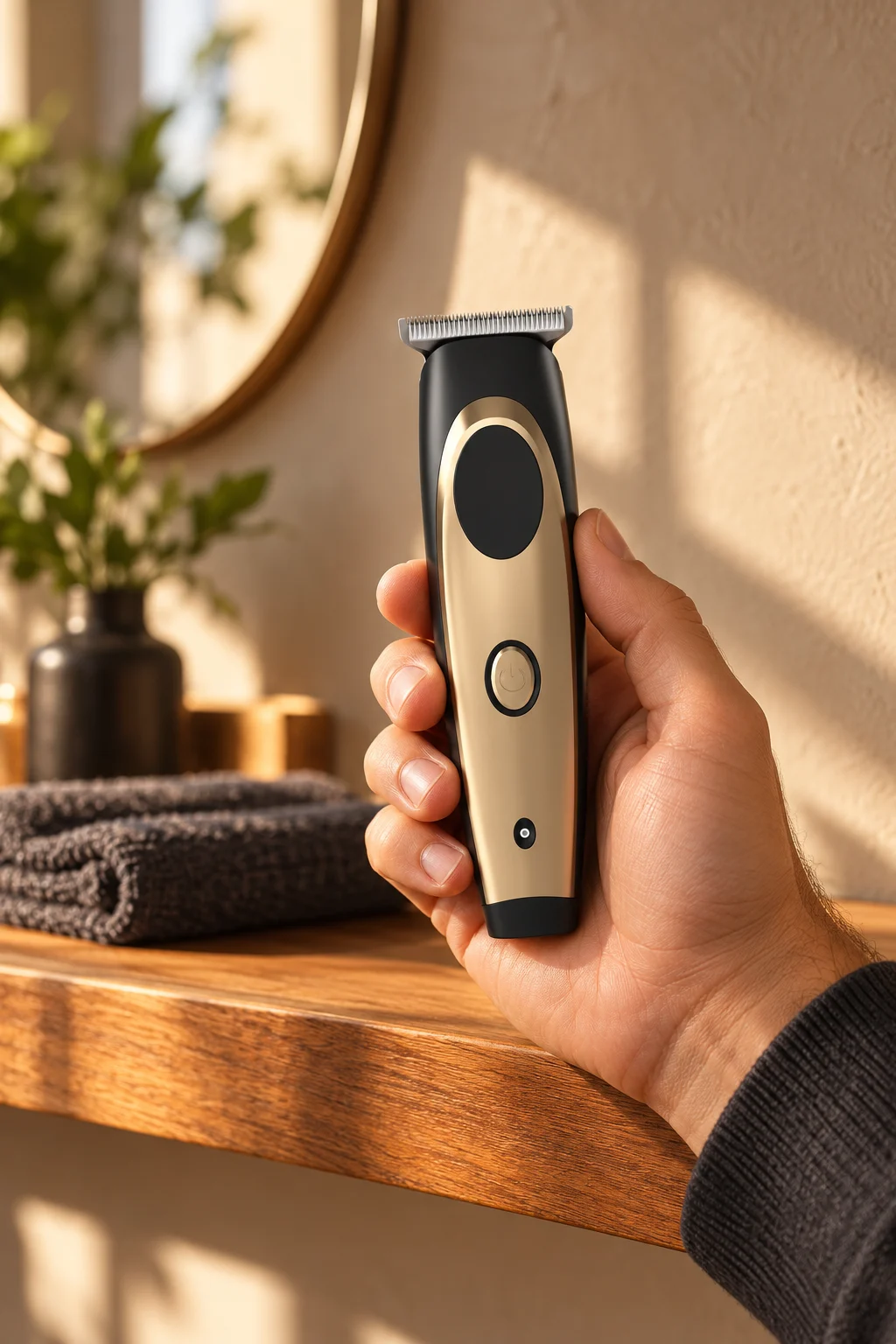
Turn a comb list into a sample brief
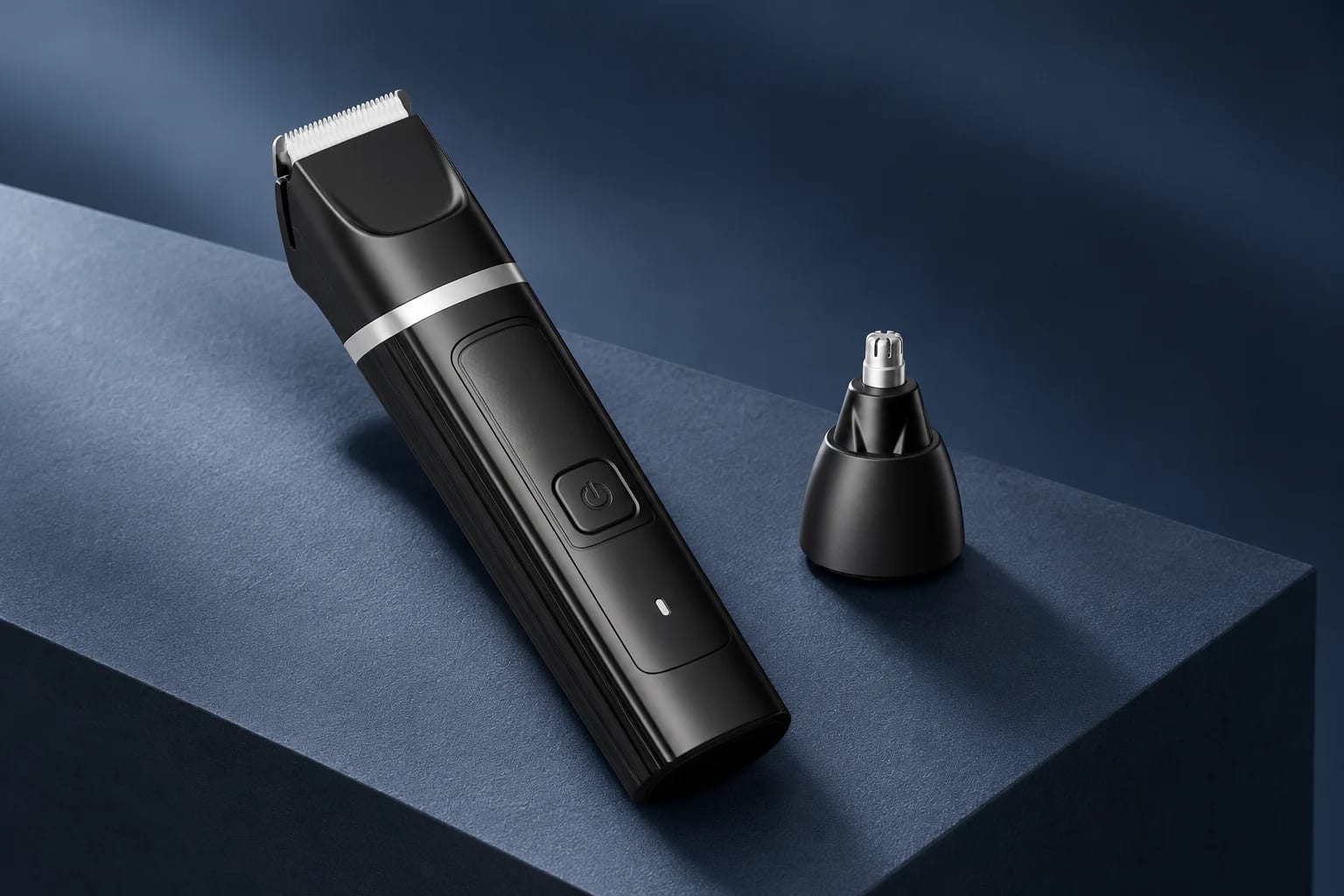
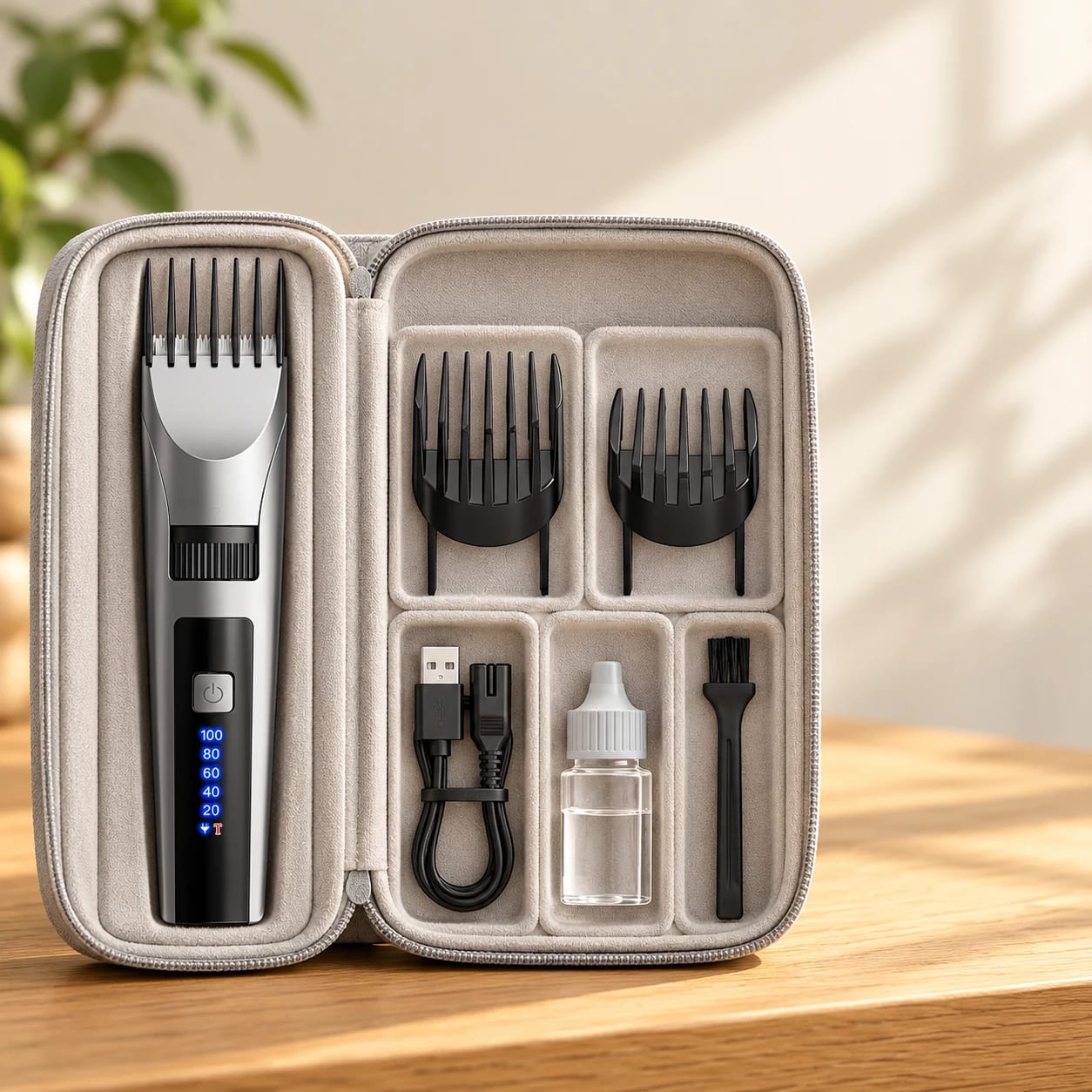
The public YP-7220 beard and hair trimmer record identifies a T-Outliner beard and hair trimmer for close trimming and edging. Its listed comb markings are 1.5 mm, 3 mm, 4.5 mm and 6 mm. The record also lists a 1.0 m USB cable, oil bottle and cleaning brush.
Those fields are useful identifiers for one selected record. They do not establish a final project pack, a result at a particular hair length, cross-model fit, an operating method or an approval for every market. A concise sample brief makes that boundary visible before product imagery and copy get ahead of the record.
| Brief line | Record beside the selected YP-7220 | Still needs a project answer |
|---|---|---|
| Device identity | Model YP-7220 and the selected sample or revision | Whether another revision is being reviewed |
| Comb markings | 1.5 mm, 3 mm, 4.5 mm and 6 mm | Which marked combs are in the approved project configuration |
| Other listed items | 1.0 m USB cable, oil bottle and cleaning brush | Final supply, placement and market-specific wording |
| Copy boundary | Describe only the selected record and approved sample | Compatibility, outcome, care and availability claims |
Ask the sample team in a useful order
Start by naming the model and sample revision. Next, place each comb marking beside the exact device in the brief rather than compiling a shared comb list. Then note what is visible on the sample, what is absent and which item needs a decision. Finally, give the product-page, packaging and instruction teams the same short record so that a label is not copied into a claim about a different configuration.