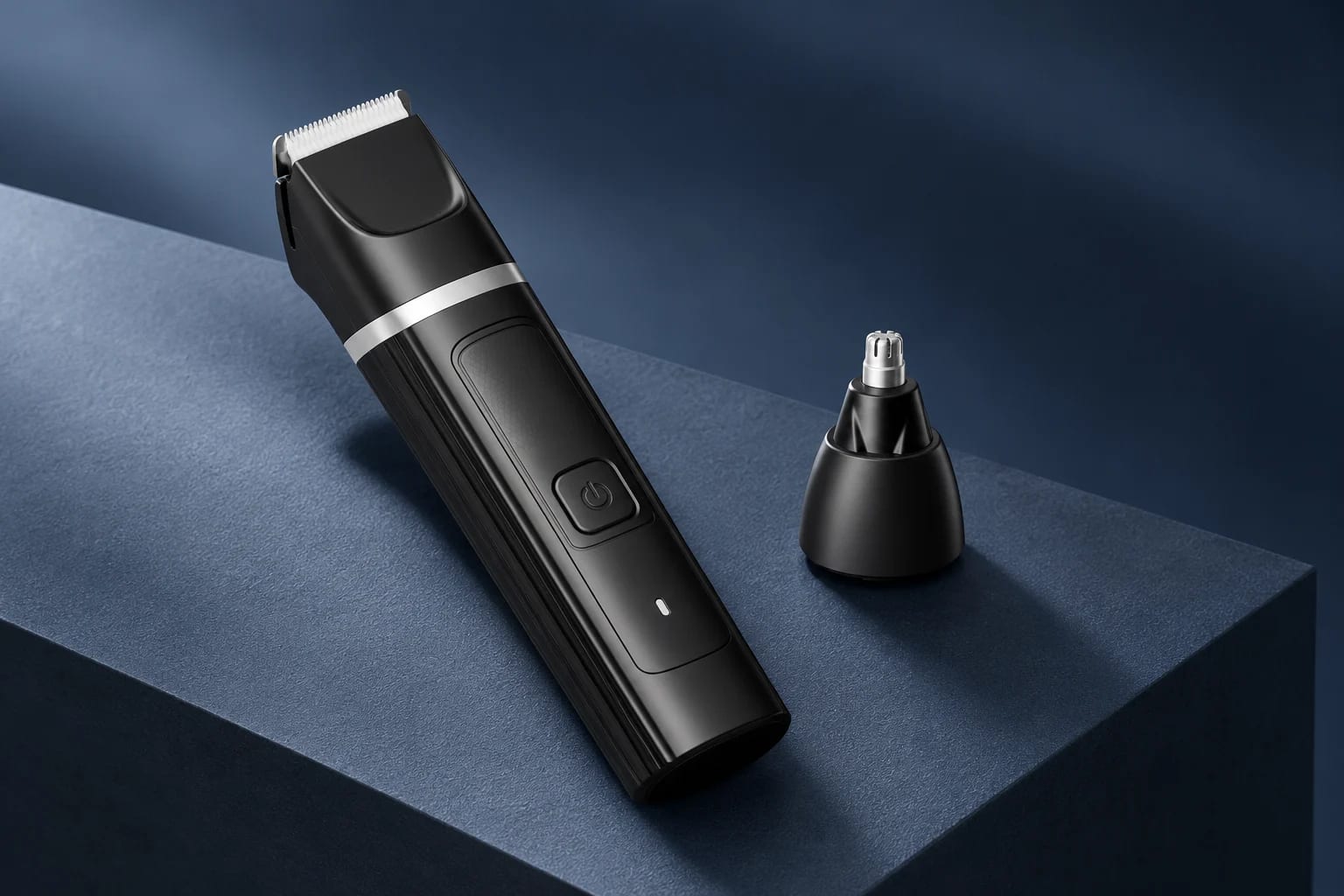
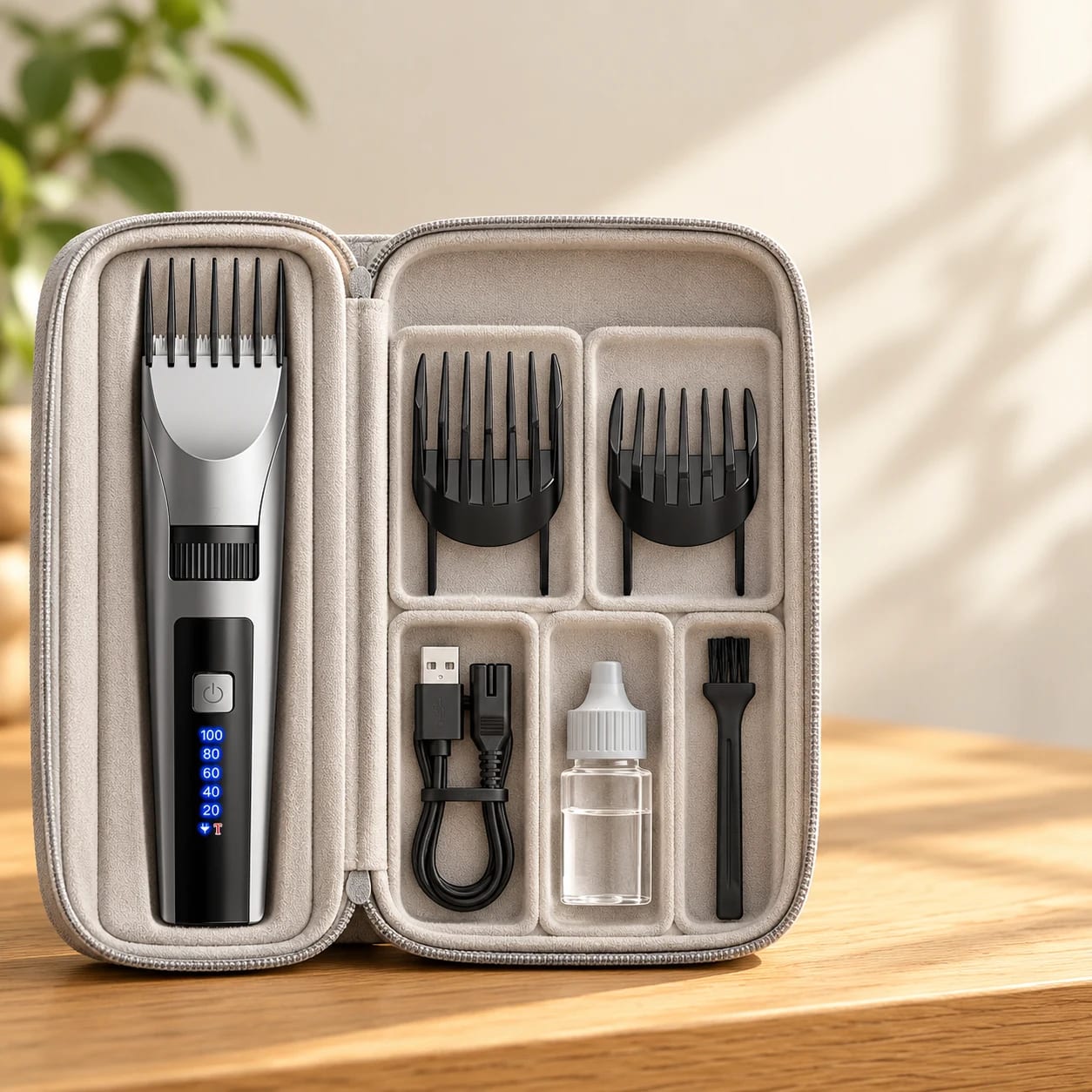
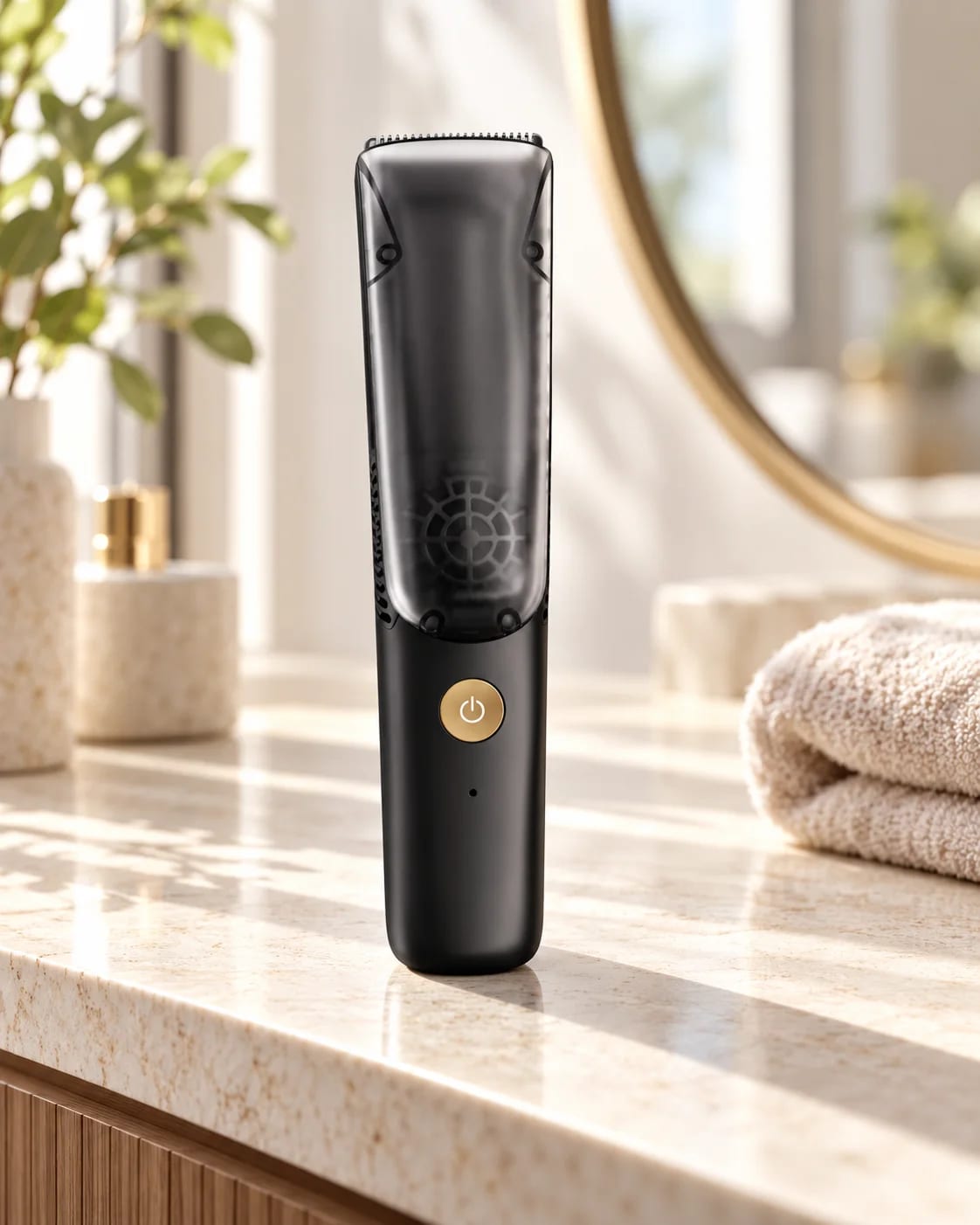
An electric trimmer quotation is useful only when it describes the same product the buyer intends to launch. For a private-label brand, distributor or retailer, the work begins by defining the target user, grooming task, selling market, selected platform, requested changes and retail pack. Those inputs determine whether an existing OEM platform is sufficient or an ODM project needs more engineering review. They also determine how MOQ, cost and timing should be evaluated. This guide turns that sequence into a practical brief rather than treating commercial terms as generic promises.
Fact review note — July 27, 2026
The product references in this article were checked against Unibono’s public Electric Trimmer Manufacturer page, current catalogue records and the Factory overview. YH-7286, YP-7220, YH-7282 and YH-7700 are examples for scoping a discussion, not a promise that every feature, accessory, approval, MOQ, price or timing applies to every configuration or market. Confirm the exact model and destination-market documentation before approval.
1 — Decide whether the project begins with an OEM platform or an ODM requirement
An OEM program commonly starts with an existing platform and a defined set of permitted changes, such as brand presentation, packaging, accessory selection or approved colour treatment. An ODM requirement may add work on product design, engineering, tooling or a new combination of functions. The useful first question is not which label sounds more ambitious; it is what must be different from the closest current product. Write down the non-negotiable user task, target market, channel, target price position, initial and expected quantity, requested documentation, packaging languages and sample target. Unknown items should remain open questions, not assumptions carried into a quote.