A sample is useful only when the buyer and factory can later show exactly what it represented. This guide gives private-label brands, distributors and retail teams a sign-off record for a hair-clipper OEM sample. It is a process guide, not a claim that every model uses the same blade, accessory, test, certification, MOQ or lead time.
Fact and review note — September 3, 2026
This editorial guide was checked against Unibono’s public Hair Clipper Manufacturer page, Factory overview, OEM buyer brief, product catalogue and OEM inquiry form. It does not carry a product- or quality-department technical review because no specific model, test method, market or sample record was supplied. Confirm every product-specific requirement against the selected configuration and project documentation.
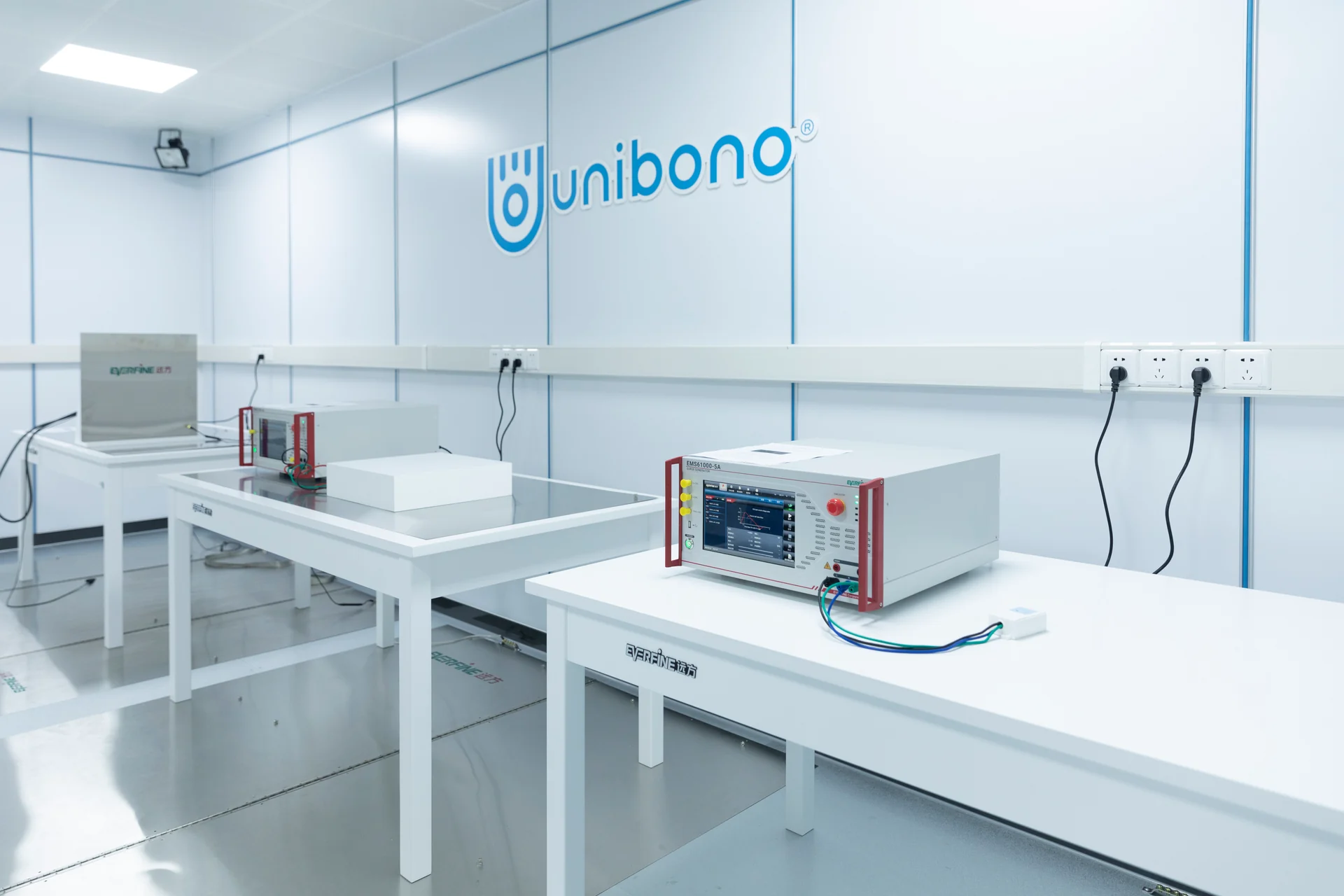
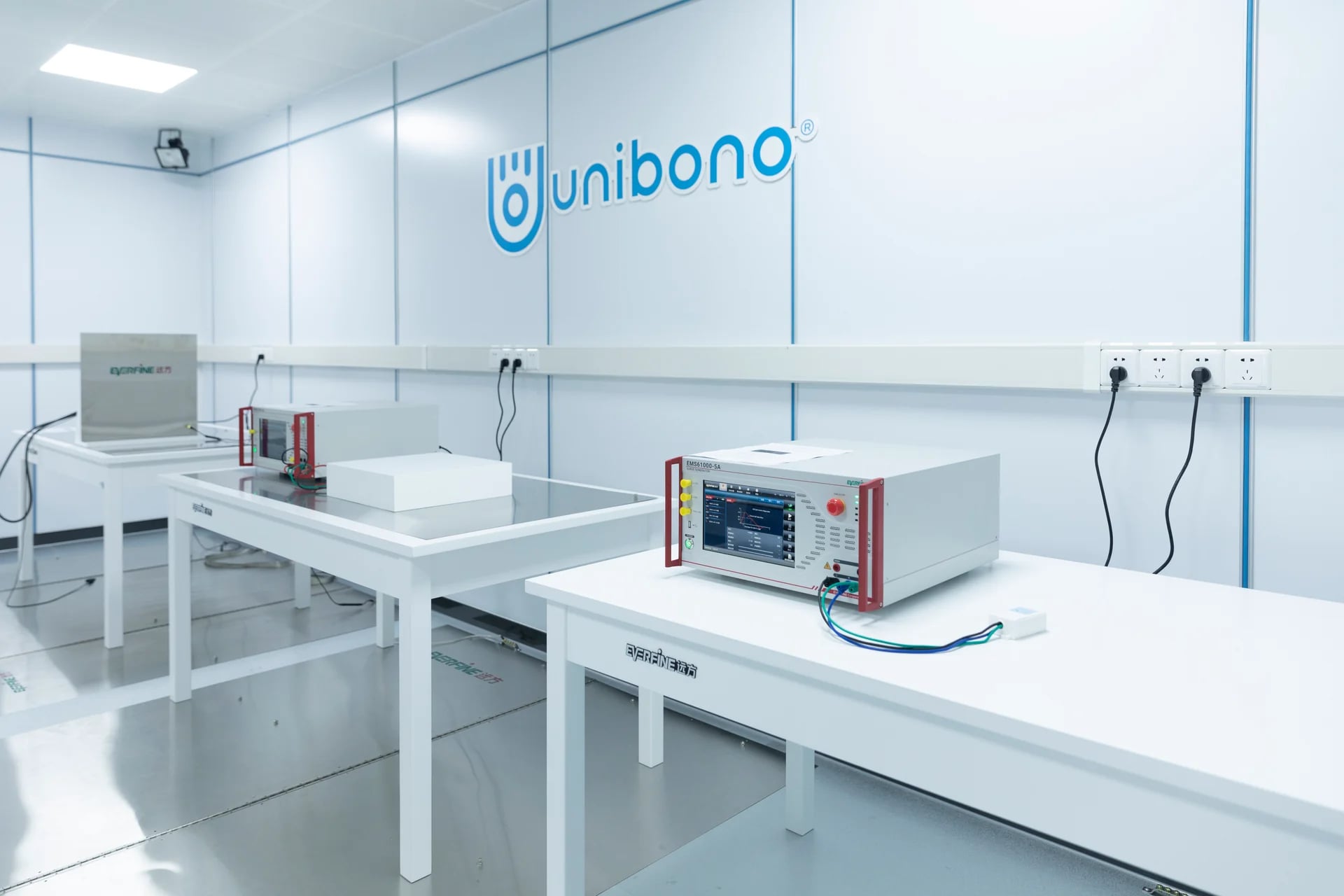
Editorial image context: an Unibono laboratory workstation. The image illustrates a controlled work environment only; it does not prove a test, result, certification or model applicability.
1 — Give the sample a unique identity
Start the record with the buyer project name, sample receipt date, reference model or platform, sample revision, colour or finish, included heads and combs, charging items, cleaning tools, packaging state and destination market. Add photos as references if helpful, but do not rely on a photo alone. If any field is not settled, mark it as open rather than allowing a later quotation, drawing or carton to silently fill the gap.