A motor-speed figure can look decisive in a comparison sheet. On its own, it answers much less than a buyer may expect. Before choosing between grooming devices, first ask whether the number is tied to the same reference model, attachment, supply condition and measurement method as the rest of the brief.

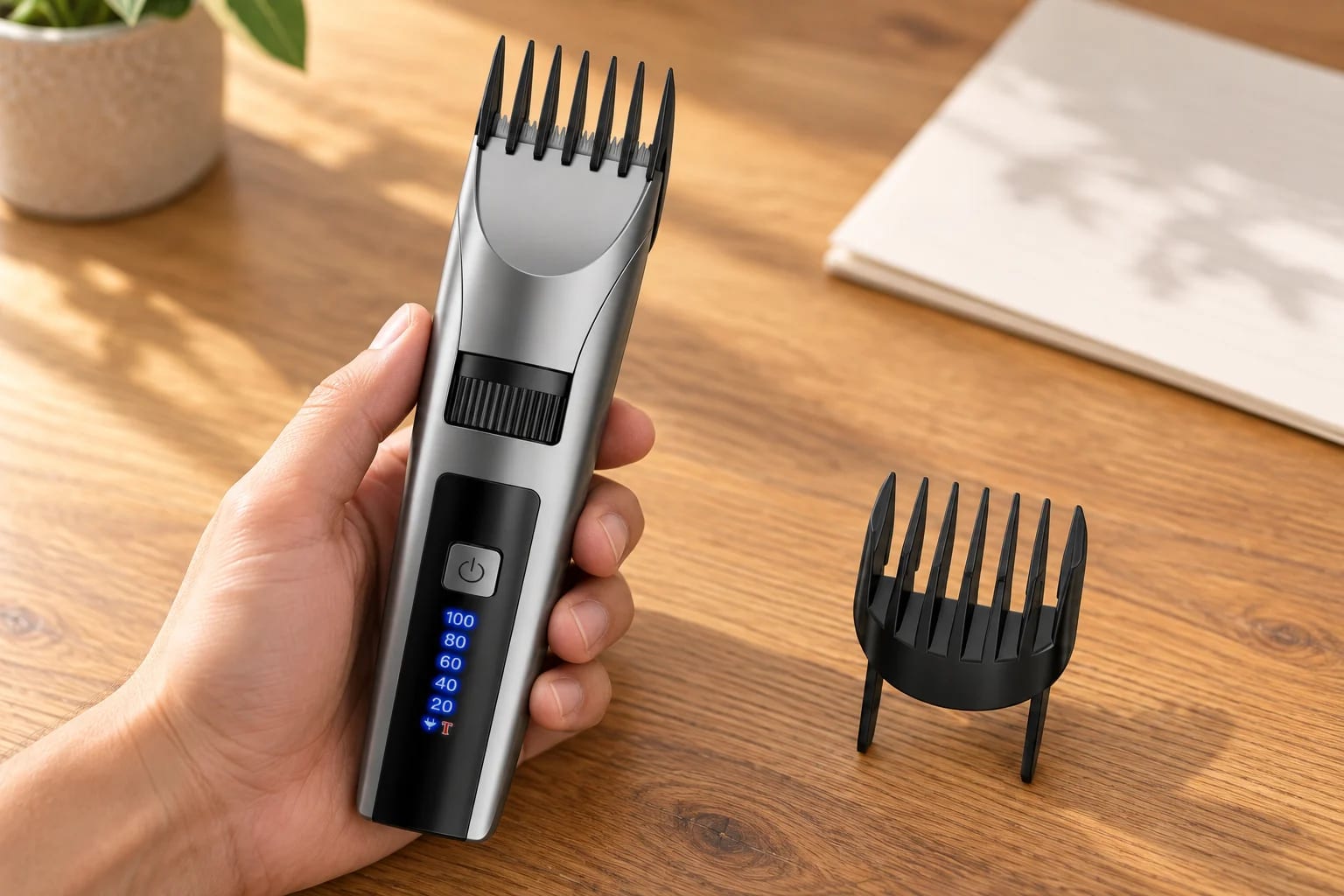
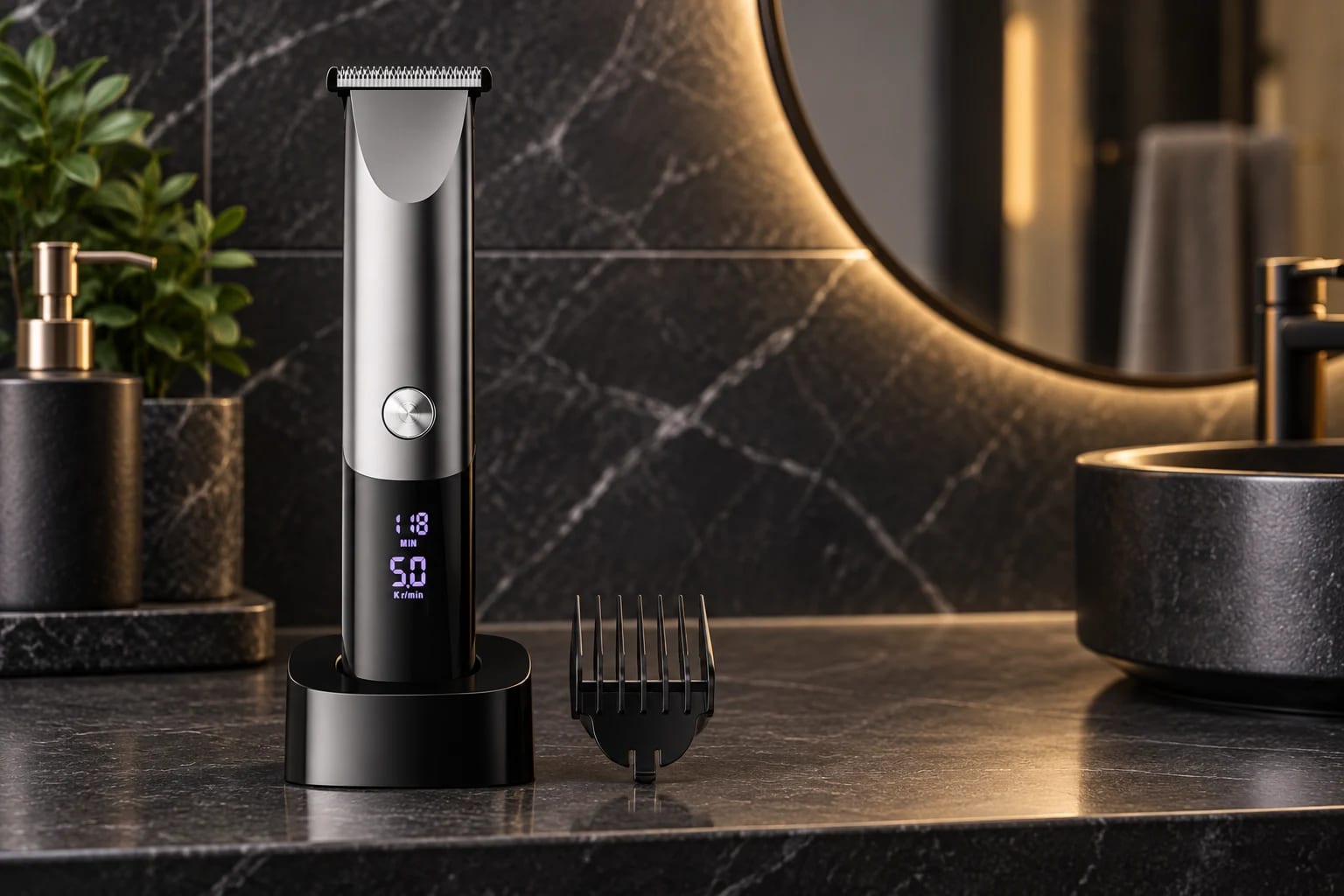
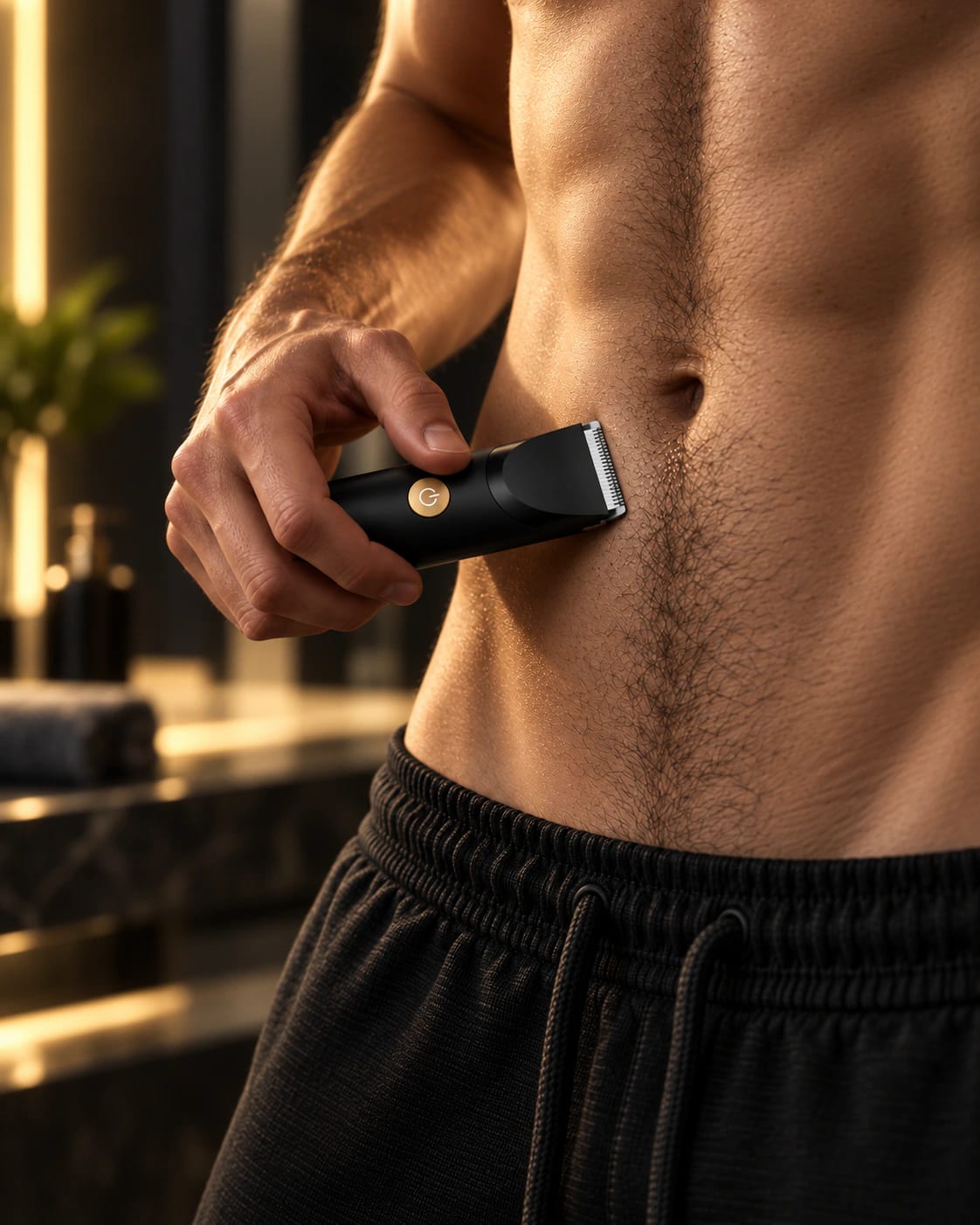
This product scene groups a body trimmer with guide combs and care accessories for configuration-review context. The selected model record and project documents determine the final configuration.
Start with the number's identity, not its rank
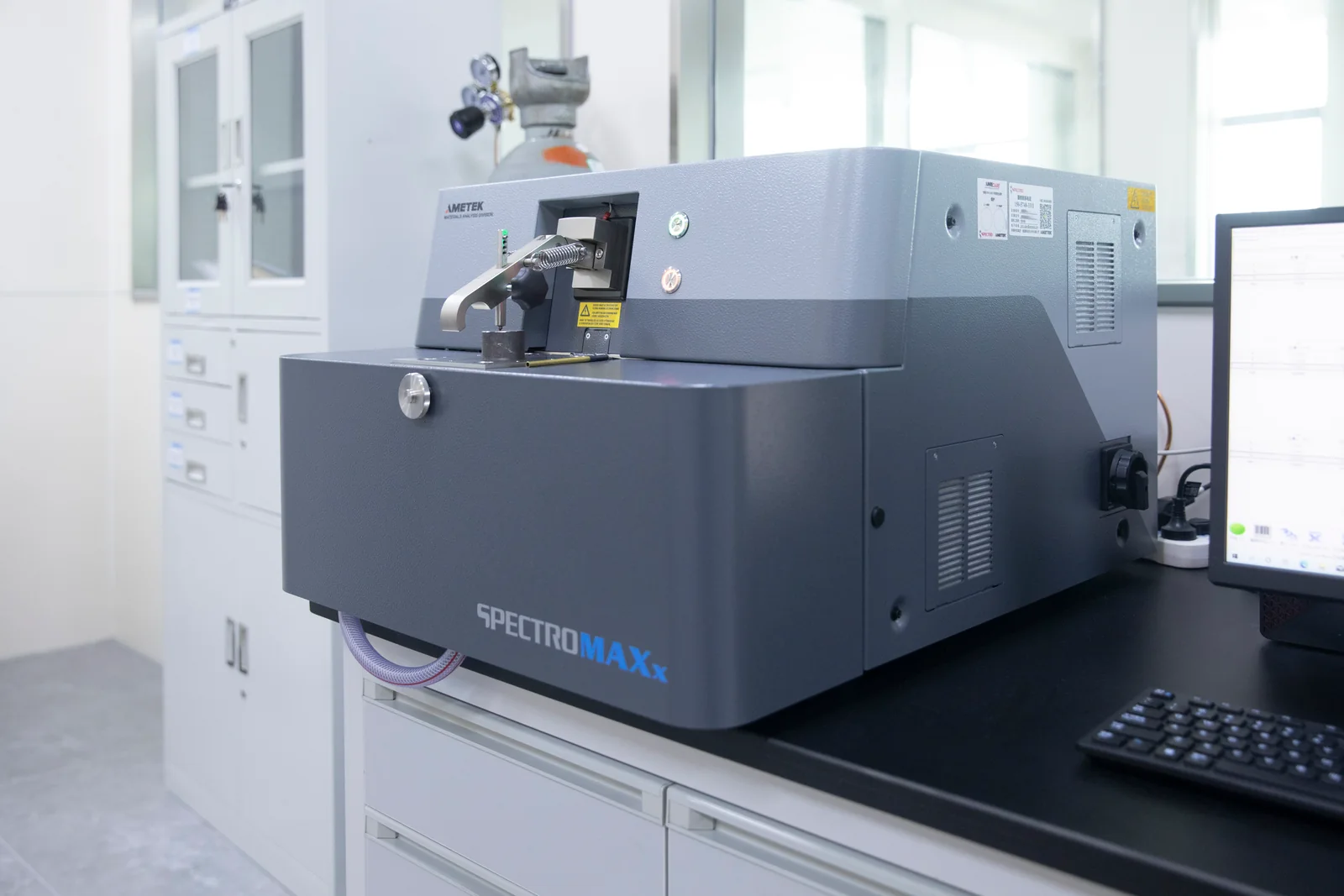
A useful request does not begin with ‘which motor is faster?’ It begins with ‘which exact model and configuration produced this number?’ Record the model code, sample or revision reference, attached head or guard, stated supply condition, requested operating mode and the method used to observe the figure. If any of those fields is missing, leave the comparison open rather than converting a single number into a performance promise.
The public YH-7262 body-trimmer record identifies the selected model and lists 3/6 mm and 9/12 mm combs, a 0.75 m Type-C cable, oil bottle and cleaning brush. It does not publish a motor-speed value. Those listed configuration fields are useful for identifying what a buyer is asking about; they do not supply the missing speed figure or prove a cutting result.
Put the test question beside the commercial request
The fastest way to lose context is to place a motor number in one spreadsheet and the product configuration in another. Ask for the model identity and the technical question together. A supplier response can then say whether the requested figure is available for the selected sample and what conditions would be needed for a meaningful comparison.
| RFQ field | Ask the project team to identify | Do not assume from a lone speed figure |\n| --- | --- | --- |\n| Reference device | Exact model code, sample or revision and requested market | That a similar housing uses the same motor or build |\n| Attached configuration | Installed head, guard or other selected attachment | That every attachment produces the same result |\n| Measurement request | What is being measured, the stated method and the units | That two labels use the same method or unit |\n| Operating conditions | Supply condition, selected mode and any defined load method | That a no-load observation predicts trimming under use |\n| Evidence to retain | Date, sample reference, result record and project owner | That a catalogue image is a test report |\n| Decision wording | The approved product and market wording for the final project | A performance, durability, safety or regulatory claim |