A cleaning statement becomes unreliable when it treats every removable part as though it has the same instructions as the trimmer body. For an OEM project, begin with the exact model and final accessory set, then keep the cleaning instruction, limitation and supporting evidence on separate lines. That protects the product brief from turning a general rating or a familiar-looking comb into an unsupported claim.
1 — Begin with a configuration inventory
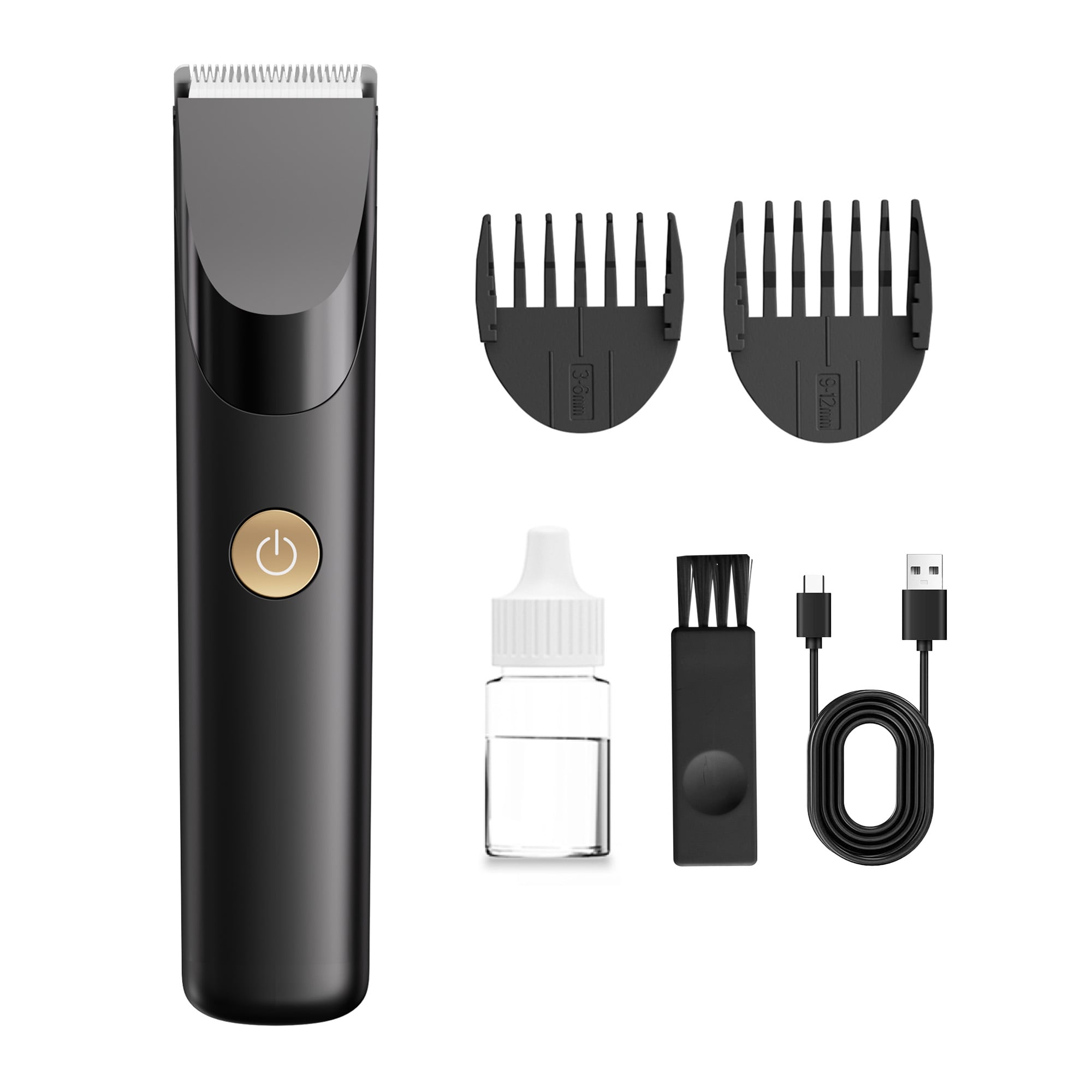
The public YH-7262 body trimmer record lists 3 mm, 6 mm, 9 mm and 12 mm combs, a Type-C cable, an oil bottle and a cleaning brush. Put only the parts included with the selected sample into the project record. A catalogue list is useful for identifying items to review; it does not establish that an accessory from another product is supplied, interchangeable or cleaned in the same way.
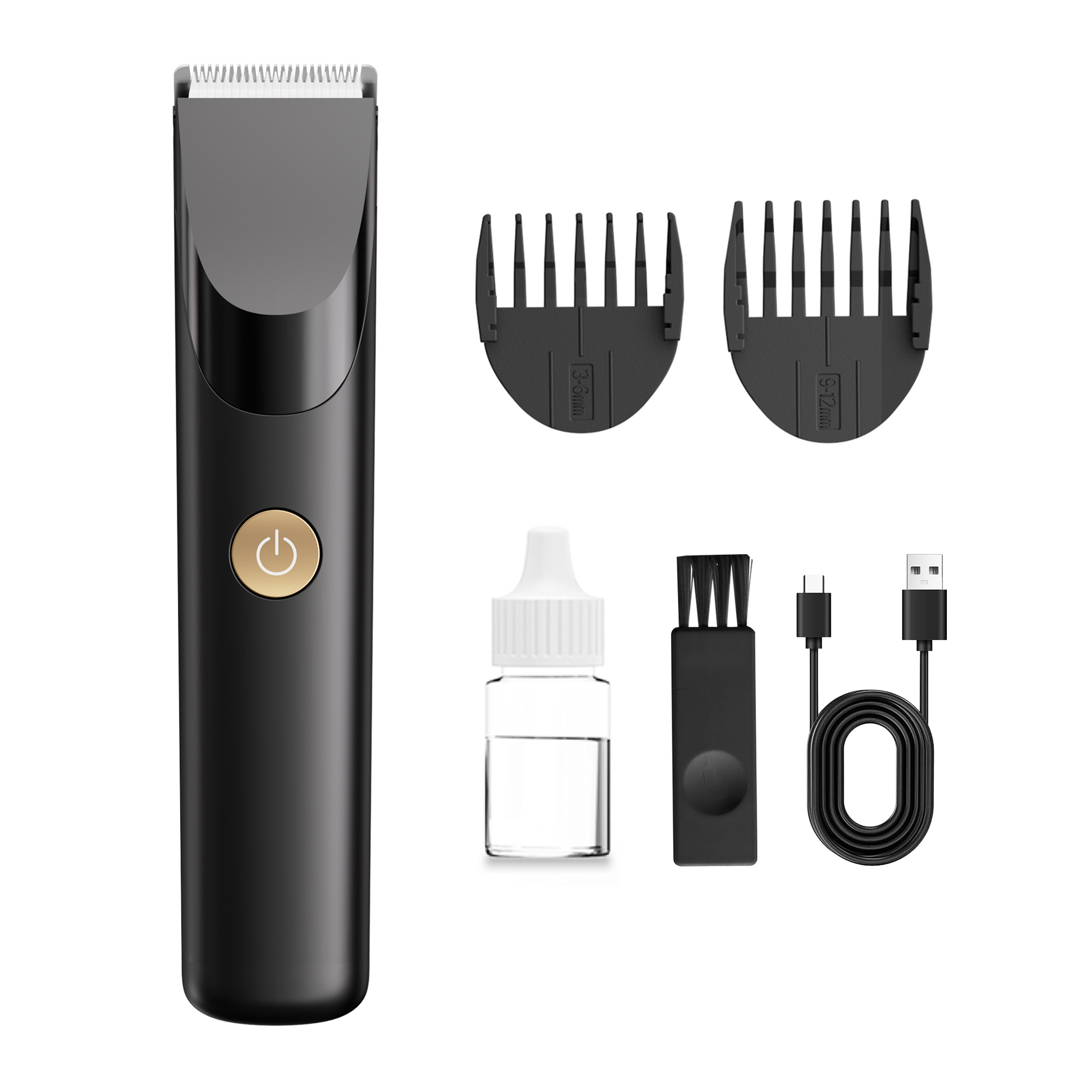
The image identifies the YH-7262 product set for the record. It is not a cleaning demonstration or evidence that every pictured item may be washed or detached.
2 — Do not turn an IP rating into a blanket accessory instruction
The YH-7262 public record lists an IPX7 rating for the model. Retain that field with its cited model, but do not use it to fill in unconfirmed instructions for the cutting head, combs, charging connection, cable, oil bottle or brush. The final manual and the approved sample configuration should say which part is covered, what action is permitted, and any preparation or limitation needed for that project.
This distinction also keeps product copy accurate. “IPX7” is a model field in the published record; it is not, by itself, an instruction that every component can be cleaned in a particular way or a substitute for the selected model’s manual.