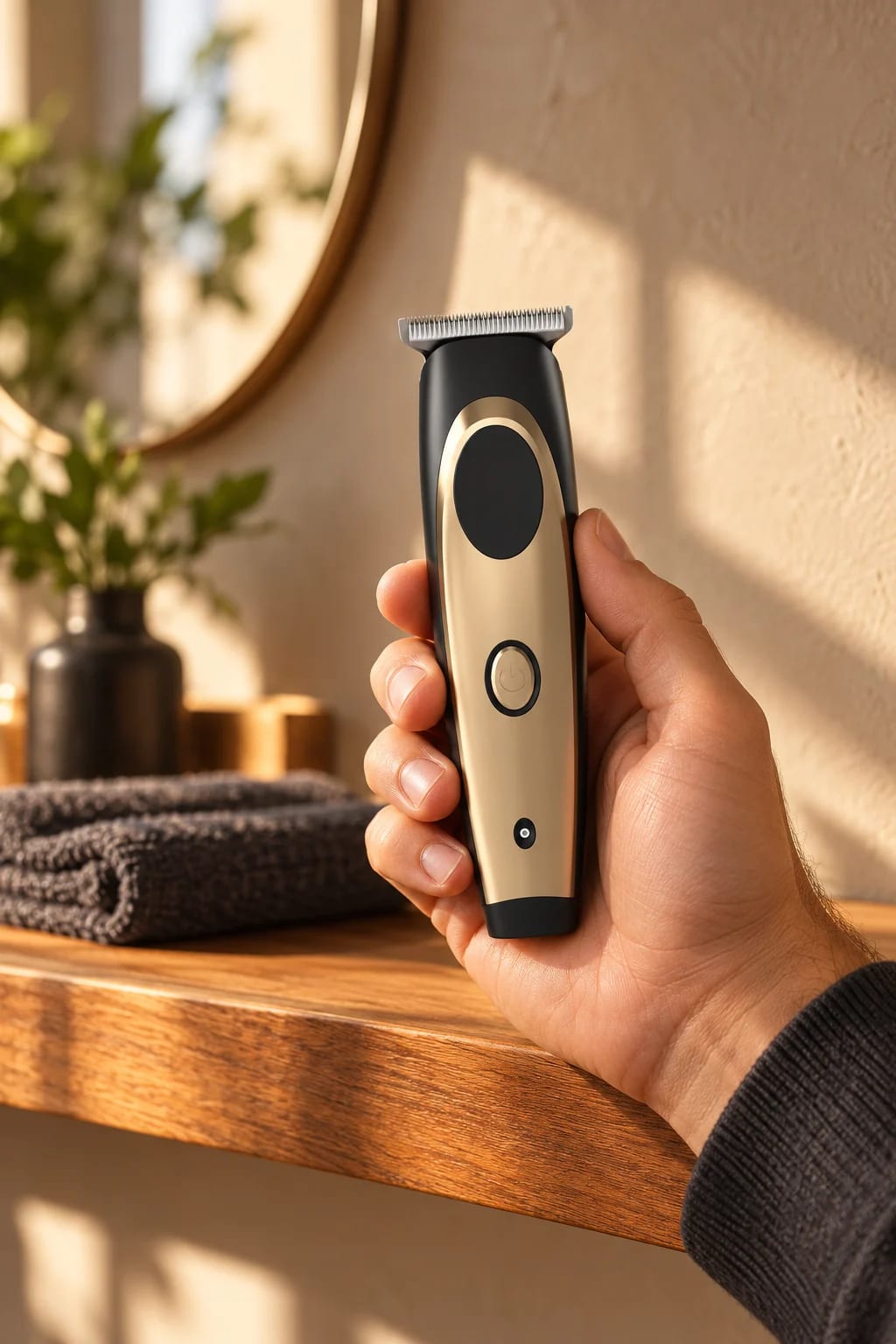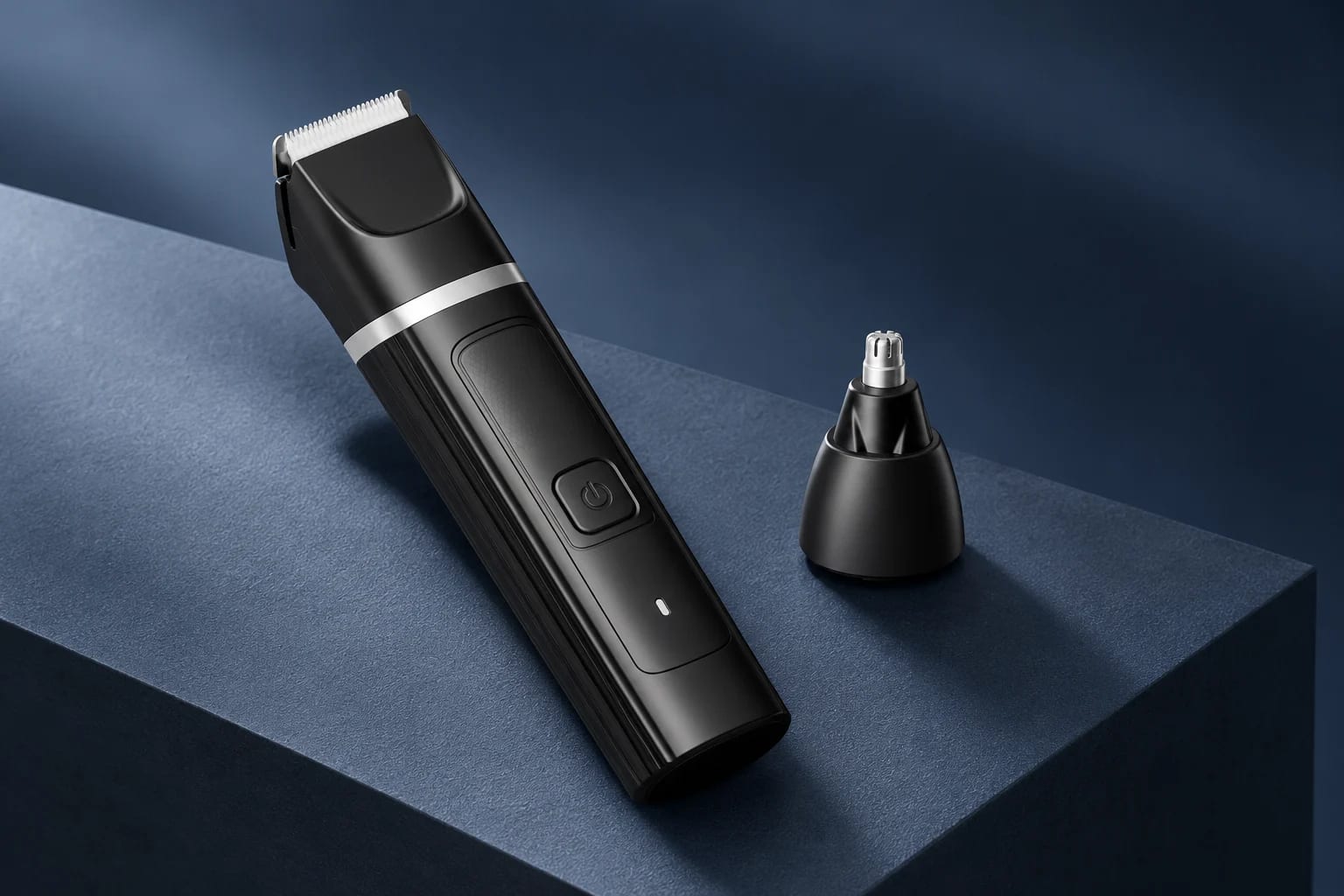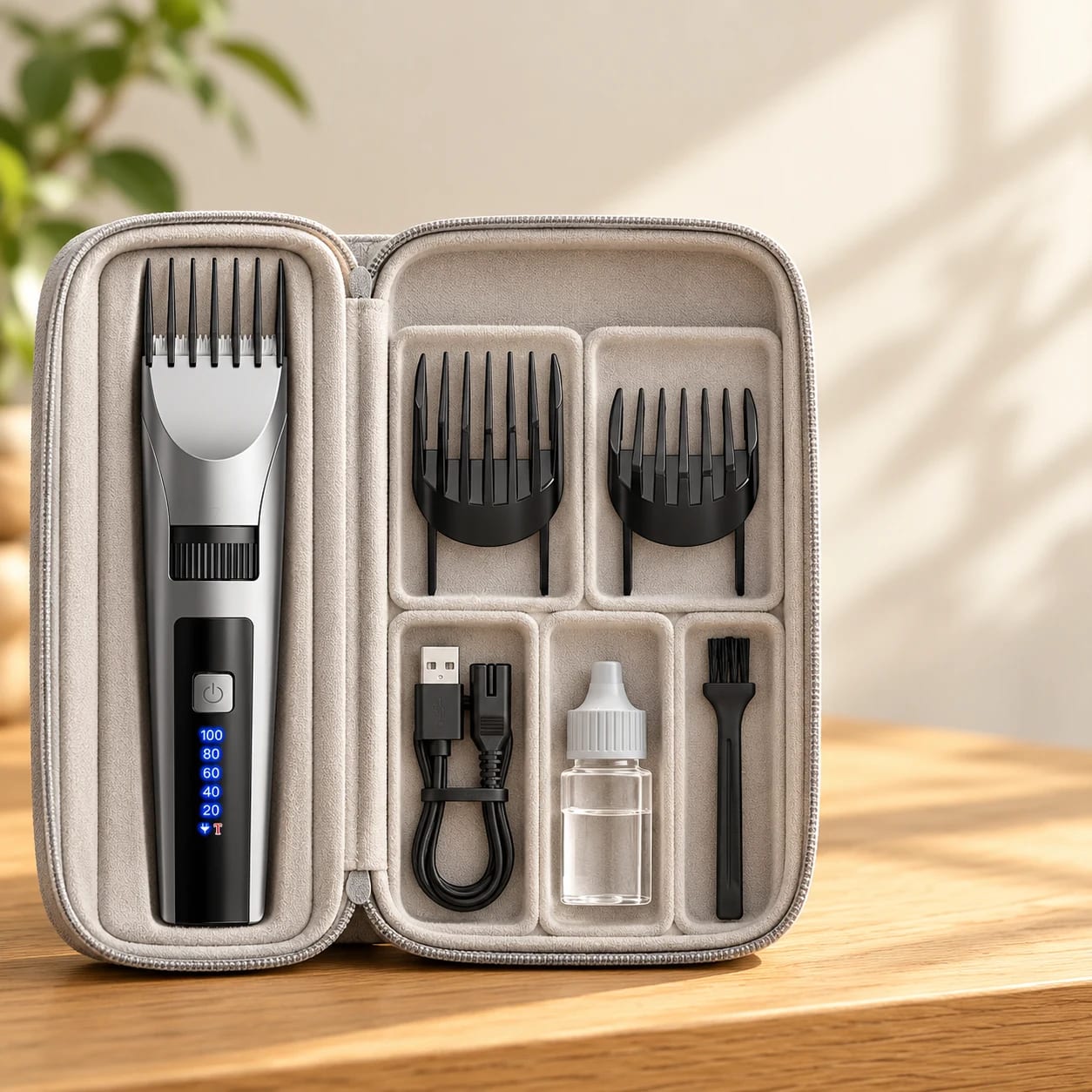
A product range may use the words "home" and "professional," but those labels do not define a complete OEM specification. Before comparing candidates, identify the selected model, the intended user and task, the included configuration and the evidence required for the target market. This lets a buyer compare two briefs without assuming that a familiar label proves a particular runtime, cutting result, durability level or accessory set.
1 — Start with the use scenario, not the label
Write the intended user and task in the project brief: for example, a consumer home-grooming program, a barber-oriented program, or a program that needs both contexts assessed separately. Then state the expected operating pattern, user instructions, cleaning expectation, sales channel and destination market. These are questions for the selected project; they are not answers supplied by the word "professional."
If two channels require different claims, packs, instructions or accessory allocations, retain two review lines even when the base platform looks similar. The sample, technical record and retail copy should make clear which line they support.
2 — Record each selected model exactly as listed
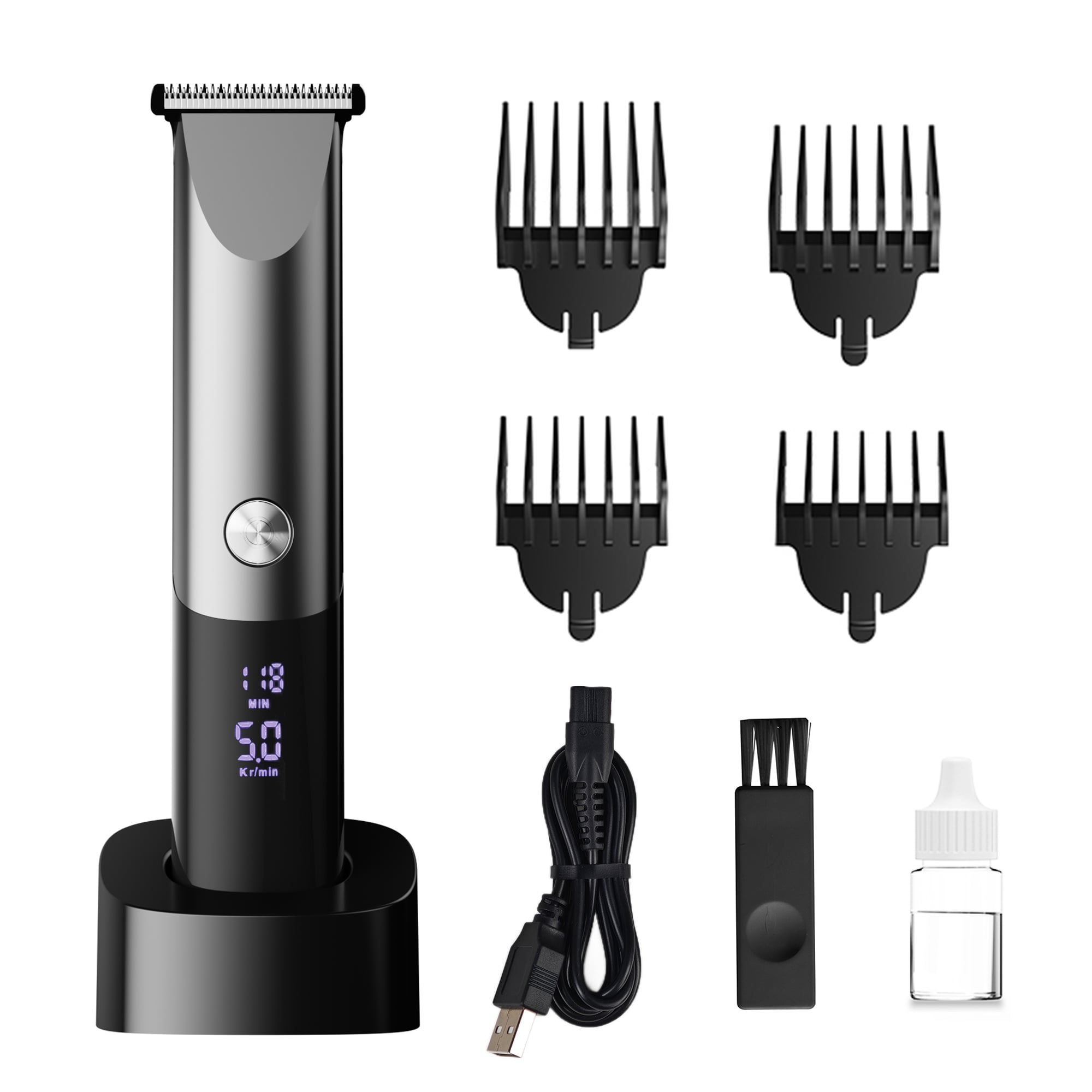
The public YH-7108 hair clipper record is titled as a professional LED hair clipper for home and barbershop. Its catalogue record lists four combs—3 mm, 6 mm, 9 mm and 12 mm—together with a 1.0 m USB cable, oil bottle, cleaning brush and a charging stand "for choice." Record those fields against YH-7108, then confirm the final selected configuration on the sample and packaging record.

The pictured configuration identifies the YH-7108 catalogue model. It does not establish professional duty cycle, test performance, part compatibility or a market claim.
For a separate comparison line, the public YP-7502 hair clipper record