When comparing cordless body trimmers, ask for the conditions behind the working-time figure before ranking the products by minutes. A useful comparison records the exact sample, cutting head and comb, operating mode, load, charging procedure and stopping point. Keep catalogue figures separate from the results of an agreed sample test.
1 — Separate working time from charging time
Working time describes operation after charging; charging time describes the time needed to reach the specified charged state. Put them in separate columns. For example, the public YH-7262 body trimmer specification lists 50 minutes of working time and 90 minutes of charging time. Those are catalogue figures for that model. The page does not state the complete runtime test method, so a buyer still needs that method before treating the figure as a comparable sample result.
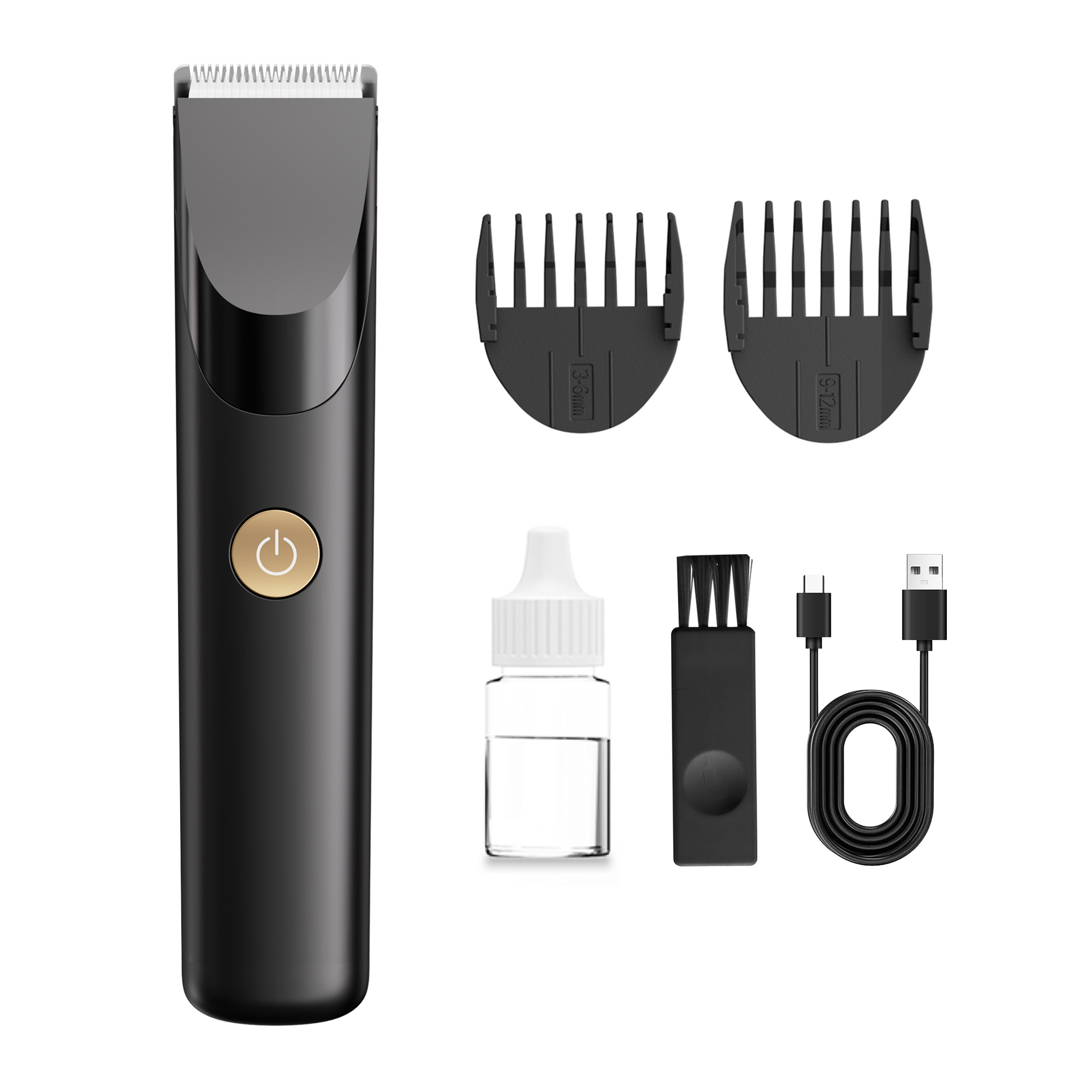
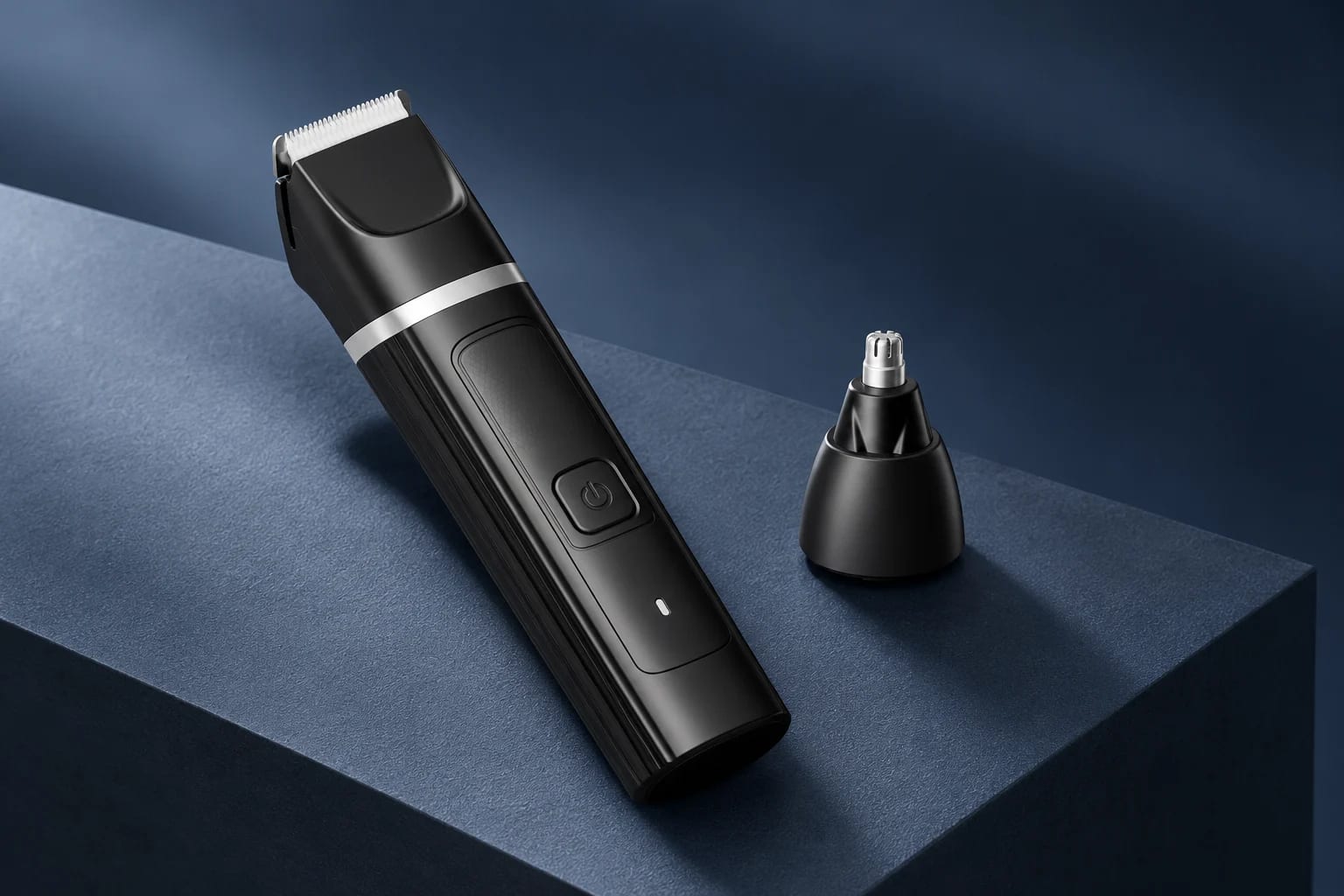
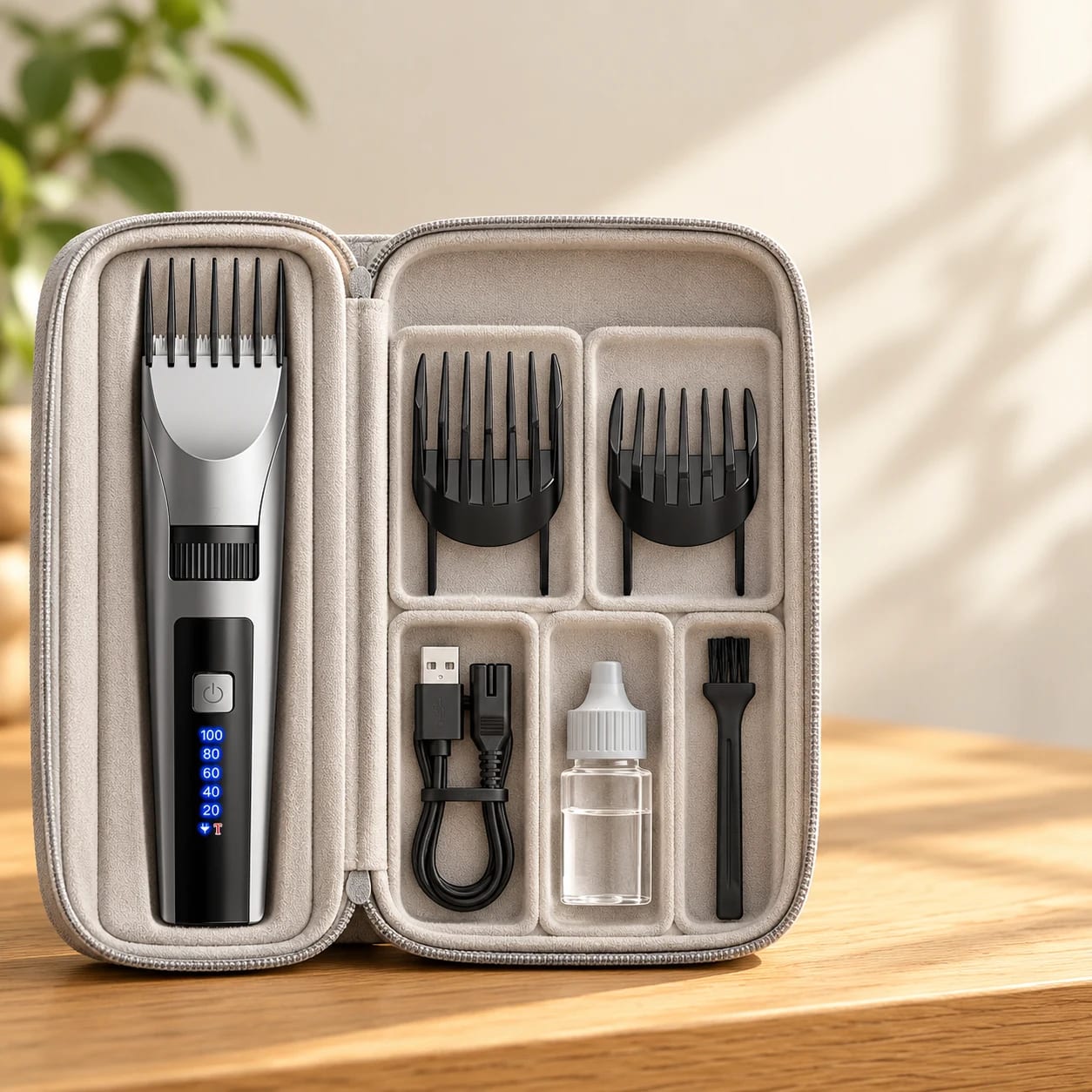
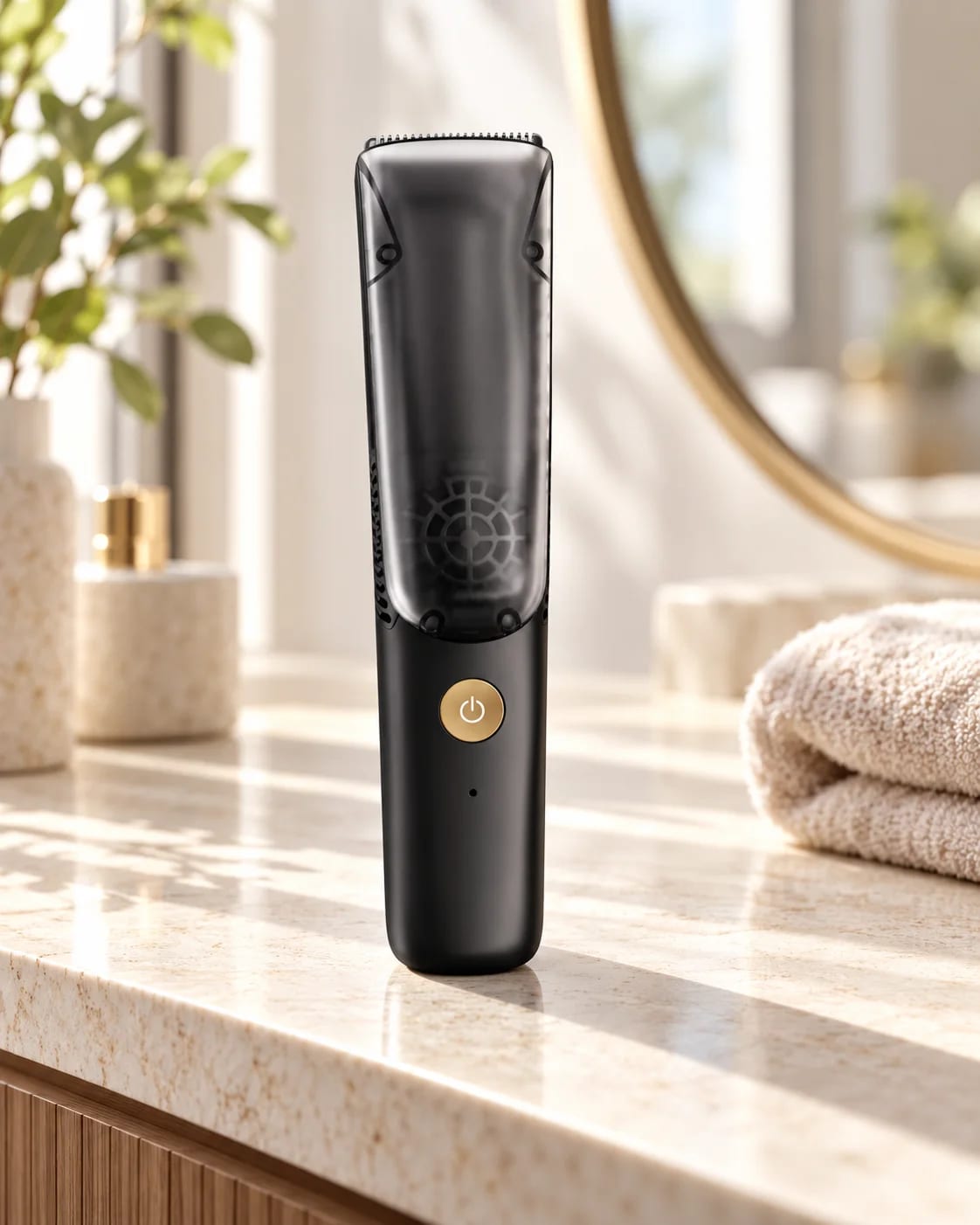
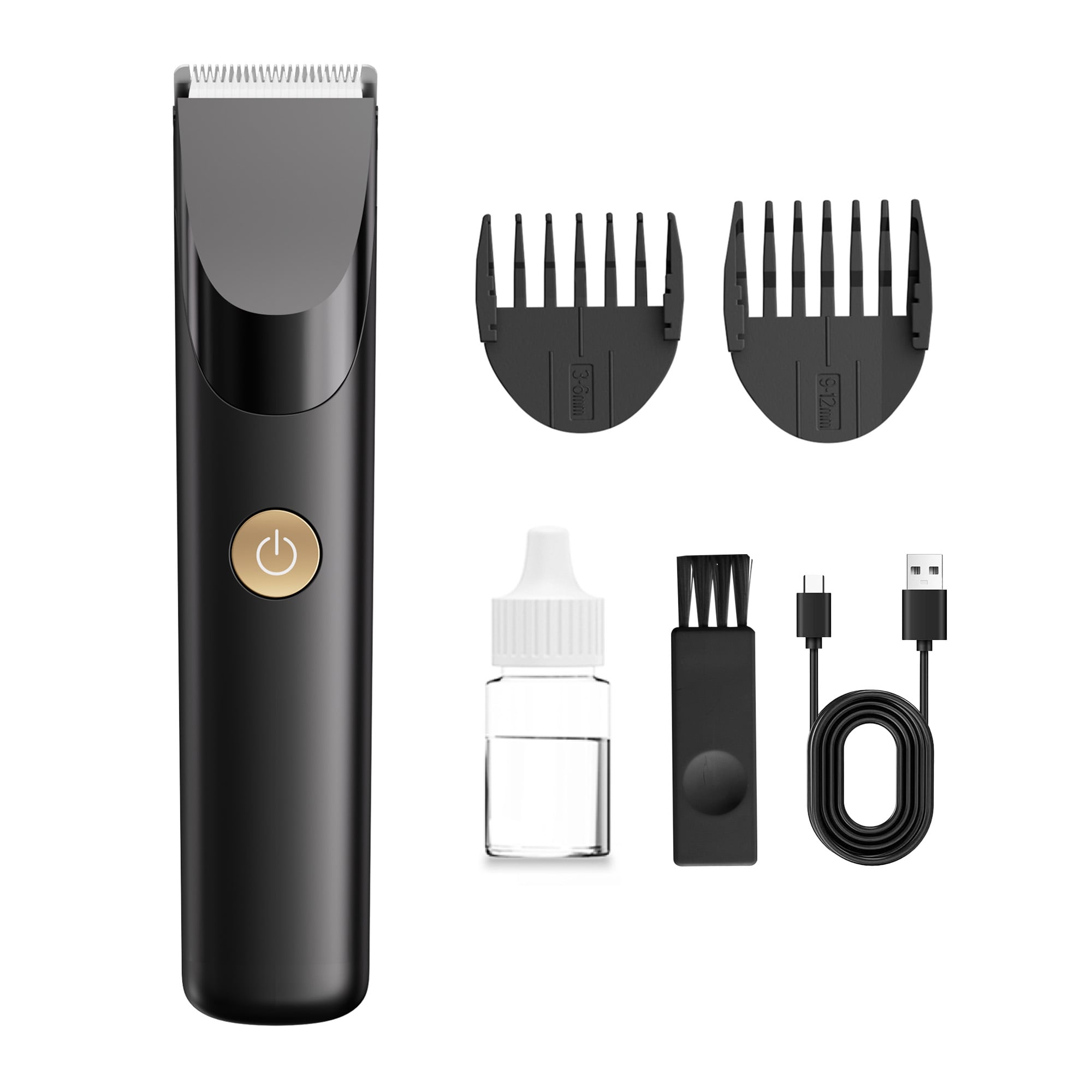
YH-7262 catalogue image: identify the trimmer and accessory configuration before comparing samples. The image illustrates the product set; it is not a runtime test record.
2 — Agree what the trimmer is doing during the test
Ask whether the reported time was measured with the motor running freely, under a defined cutting load, or through a repeated use-and-pause sequence. Record the selected operating mode if the model offers more than one. A no-load figure and a cutting-test figure should be identified as different measurements until both samples have been assessed with an agreed method. Do not assume an unspecified catalogue value was measured under either condition.
For a cutting comparison, ask the technical team to define a repeatable load or procedure appropriate to the product. Keep that definition with the result. A request to test “normal use” leaves too much open unless the team has also defined the task, sequence and acceptance criteria. The following table is a buyer's briefing template, not a laboratory standard or a report of tests performed by Unibono.